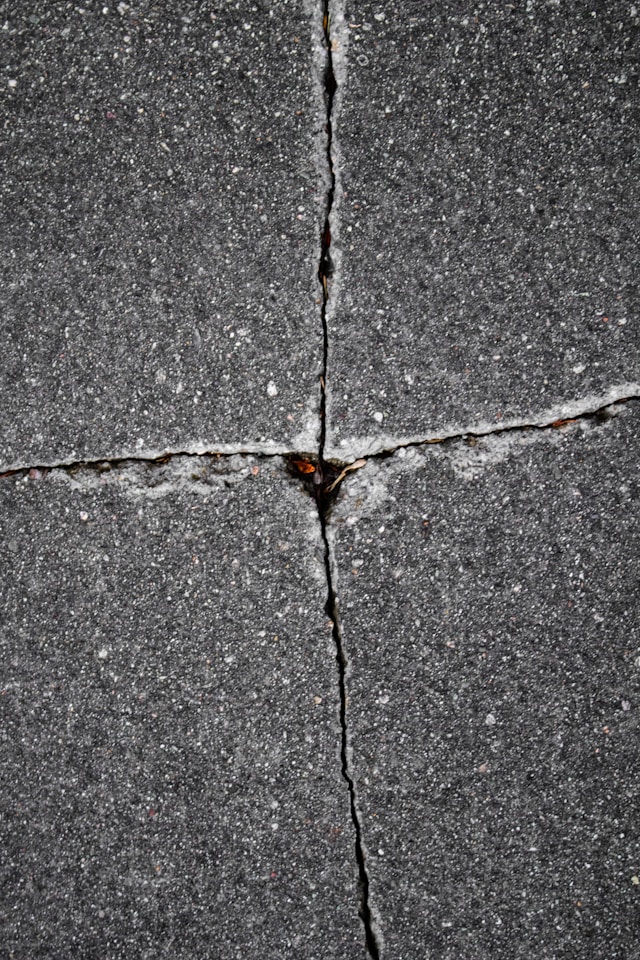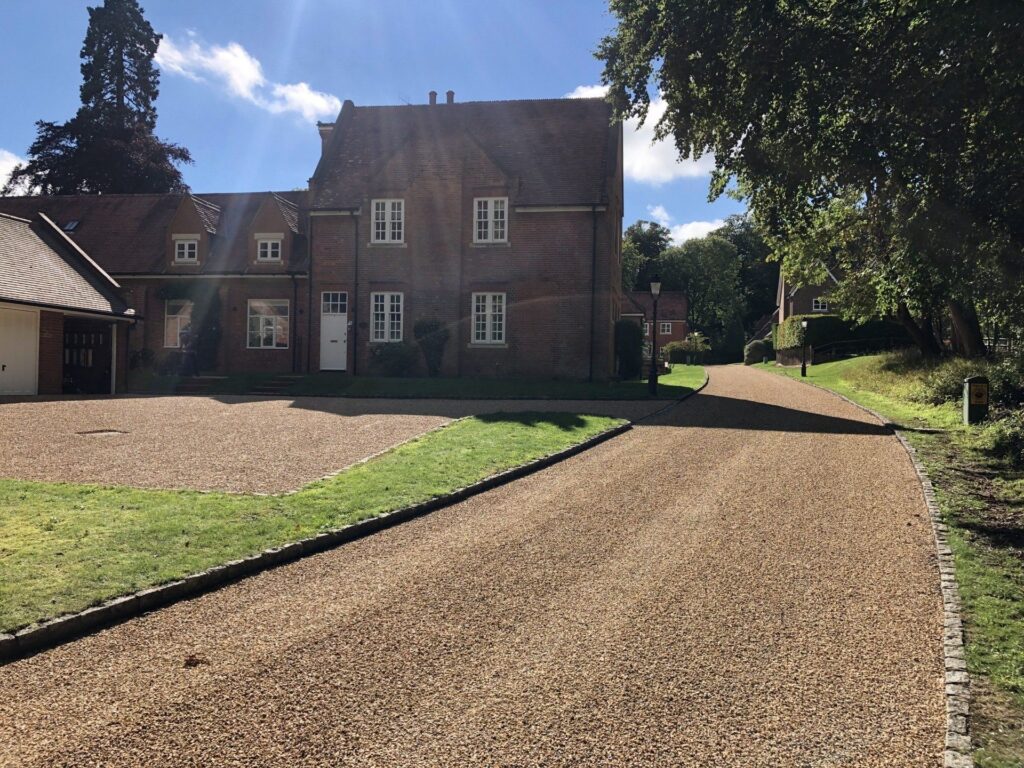
Cold, wet weather is hard on driveway surfaces. Repeated freezing and thawing works its way into tiny gaps, turning hairline cracks into potholes and leaving surfaces uneven, stained and weakened.
By the time spring arrives, many driveways show clear signs of winter damage. The good news is that with the right approach you can often repair this damage before it turns into a costly full replacement.
From patching small cracks to dealing with potholes and drainage issues, it pays to take a structured approach and choose repair methods that suit your driveway material.
For professional winter driveway repairs that restore strength and appearance, contact Hazell & Jefferies Ltd for expert help in Oxfordshire, Berkshire, Reading and beyond.
Winter driveway repair at a glance:
|
Understanding what has gone wrong helps you choose the right repair method and avoid the same problems returning next year.
The most common winter damage is a network of small cracks across the driveway surface. On tarmac and asphalt, you may also see raveling, where loose stones and fine material break away and leave the surface rough and open.
These issues usually start small but grow worse every winter if water is allowed to keep entering and freezing.
Potholes form when water penetrates deeper into the surface, weakens the structure and is then forced out by traffic. Over winter, this process speeds up and small depressions can quickly turn into potholes.
You may also notice crumbling or broken edges, especially where vehicles frequently pull on and off the driveway.
In some cases, parts of the driveway lift or sink. This can be caused by frost heave, poor sub-base installation, heavy loads or long term water erosion beneath the surface.
Uneven areas are not only unsightly. They also create trip hazards and encourage water to pool, which leads to further damage.
If you finish winter with puddles that linger after rain, blocked gullies or obvious low spots, your driveway has a drainage problem. Standing water is one of the main reasons winter damage keeps returning.
Any repair work should include steps to deal with drainage or you will be back to the same situation next year.
A careful, staged approach gives better results than isolated patching.
Begin by removing loose debris, moss and dirt so you can see the full extent of the damage. Use a stiff outdoor brush or pressure washer on a suitable setting for your surface type.
Once the driveway has completely dried, walk the entire area slowly and mark:
This assessment will tell you whether simple localised repairs are enough or whether sections of the driveway need resurfacing.
Tackle anything that poses a safety risk first. That includes deeper potholes, sharp broken edges and areas where the surface has sunk or collapsed.
Temporary cold-fill patches can make a dangerous area safer in the short term. However, you should treat these as a stop-gap until a permanent repair or resurfacing can be arranged.
Hairline and fine cracks are usually the easiest winter damage to repair. Left alone, though, they quickly become wide enough to admit more water.
For tarmac and asphalt driveways:
For concrete driveways:
Sealing cracks helps keep water out of the structure and drastically slows further deterioration.
Potholes and heavily damaged spots need more extensive repair. In most cases this involves:
Quality preparation is essential. Simply tipping material into a hole without compaction usually results in the patch breaking up within a short time.
If your winter damage is concentrated in areas where water sits on the surface, improving drainage is just as important as repairing the visible defects.
This might involve:
Good drainage reduces the amount of water that can enter the driveway structure and greatly reduces future frost damage.
Read more: How to prepare your driveway for winter
The right repair technique depends on what your driveway is made from.
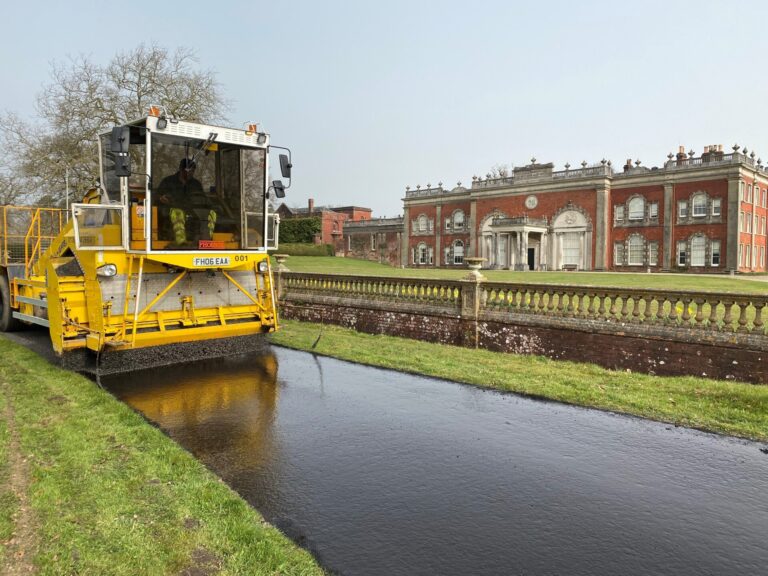
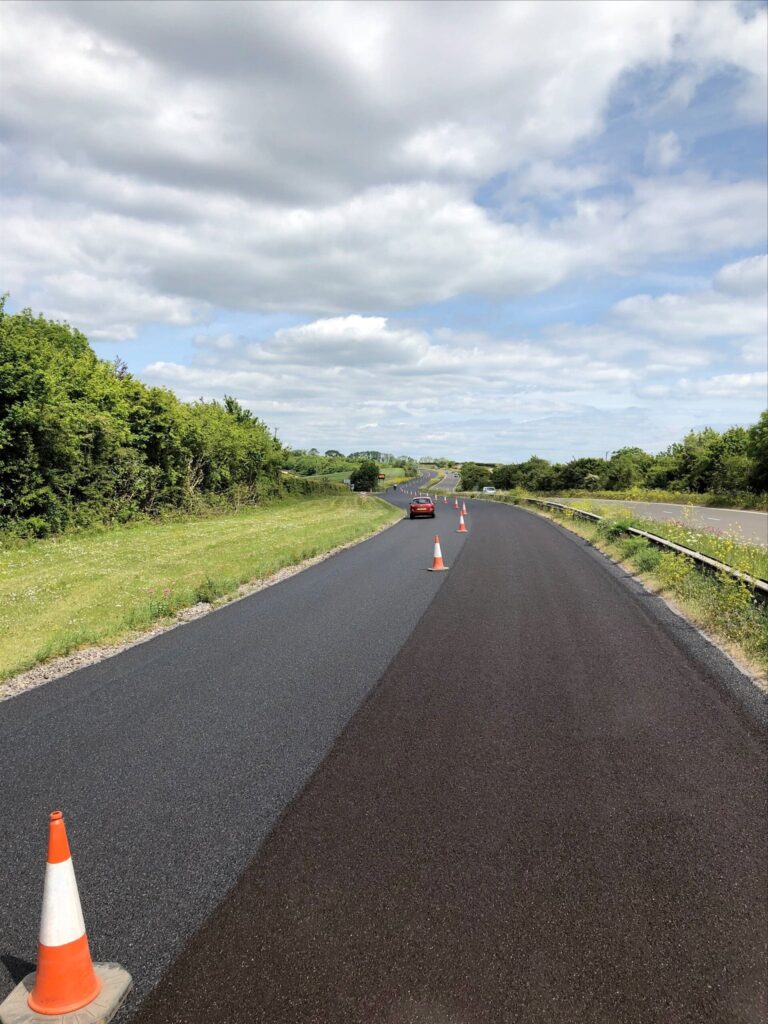
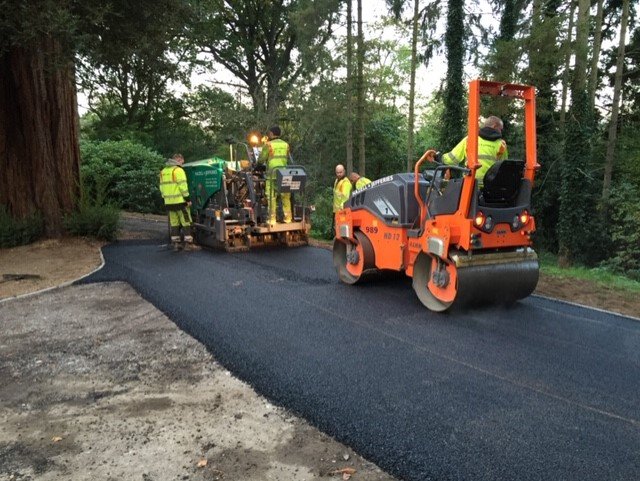
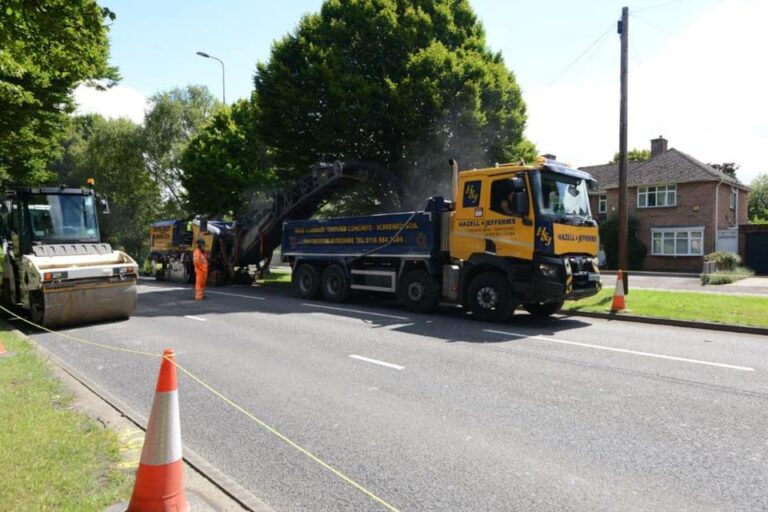
Tarmac and asphalt driveways are common in the UK and respond well to professional repair. After winter, typical treatments include:
If the sub-base is stable, resurfacing can be a cost effective alternative to full reconstruction.
Concrete is robust but can suffer from surface spalling, cracking and scaling after harsh winters. Repairs often involve:
If reinforcement has rusted or large slabs have moved significantly, it may be more economical to replace sections rather than repeatedly patch them.
Winter can cause individual blocks to sink, shift or loosen. To repair:
In many cases you can reuse the original blocks, giving a neat finish that blends with the surrounding area.
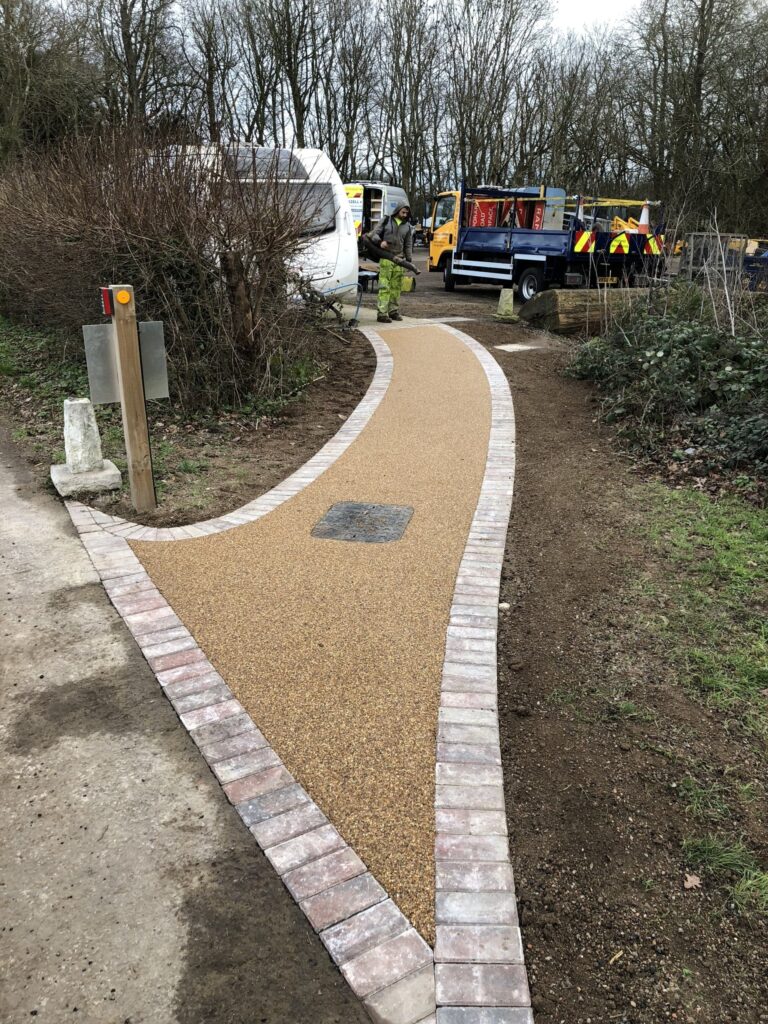
Resin driveways usually cope well with winter if they are installed correctly. However, issues like localised cracking, loose stones or patches of discolouration can still occur.
Repairs often need specialist products and techniques to blend properly. For this reason, it is usually best to involve an experienced contractor rather than attempting extensive resin repairs yourself.
Not every winter damaged driveway needs to be completely replaced. The key is to know when repair is enough and when resurfacing is the more sensible choice.
Targeted repairs are usually suitable when:
In these cases, systematic patching and sealing can give your driveway several more years of safe use.
Resurfacing or complete replacement may be more cost effective if:
A professional contractor can assess the structure of your driveway and recommend whether resurfacing, full reconstruction or an alternative solution is the best long term investment.
Find out more: Choosing the right driveway material for UK weather conditions
Winter damage can make your driveway look tired, feel unsafe and cost more to maintain in the long run. Repairing problems promptly protects your property, keeps vehicles and visitors safe and helps you avoid the expense of early replacement.
While small jobs are sometimes suitable for confident DIY, professional driveway repair gives you:
With over 50 years of experience, Hazell & Jefferies Ltd provides expert driveway repair and resurfacing across Oxfordshire, Berkshire, Reading and the wider UK.
Contact our friendly team today to arrange an inspection and find the most cost effective way to repair winter damage to your driveway.