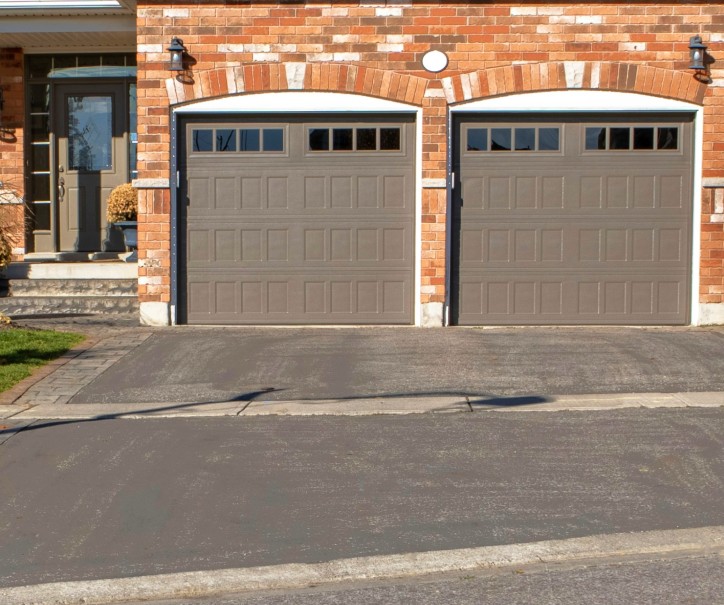
So your driveway is starting to show signs of wear and tear. It’s not bad, but it’s not great either, and it could certainly do with some attention. But before you start getting quotes for a complete resurfacing, it might be worth considering whether a patch-up job might breathe new life into it.
Deciding whether to repair the tarmac or start again with full driveway resurfacing can be an overwhelming decision to make, but we’re here to help you. And the answer very much depends on what sort of condition the driveway is in, how old it is and what your future plans are too. Let’s get stuck in.
There’s no getting away from it: your driveway needs a bit of love, and these are the ways it might let you know that:
Taking the driveway as a whole, notice whether the issue is showing up in one localised place, or whether it’s widespread across the driveway: that will tell you a lot. If it’s localised damage and the rest of the driveway is otherwise sound, there’s a good chance it can be repaired. Repairs could include sealing hairline cracks or patching up potholes.
Obviously, a repair will be cheaper than a full resurface, and it’s quicker and less disruptive too. But patches can be noticeable, and if you end up needing repeated repairs, there’s a point where it becomes more economical to go for a full resurface.
Read more: How to repair winter damage to your driveway
If you want to extend the life of your driveway, you might want to consider adding a surface seal to it, which will protect it against water penetration and vehicle wear for longer.
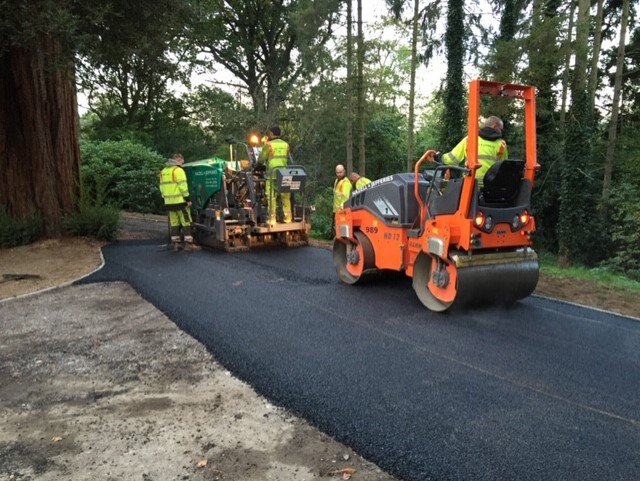
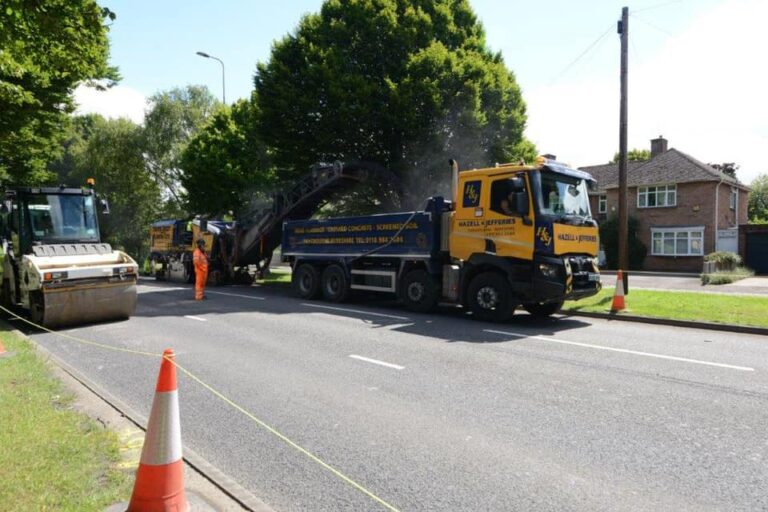
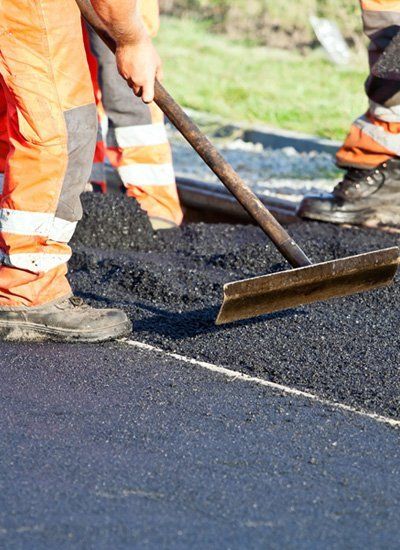
If your driveway is older than around 10 years, it’s looking a bit uneven, or you’ve been carrying out recurring repairs, it’s probably time to consider resurfacing it. Resurfacing a driveway works best when the base underneath it is sound and stable. You can either opt for a new layer over the existing surface, or you can look at having the top layer removed first. But if the base isn’t up to standard, resurfacing alone may not be enough to rescue the driveway, and a full driveway replacement might be needed.
Read more: Driveway resurfacing vs replacement: Which is best?
The decision to repair or resurface a tarmac driveway comes down to aesthetics, cost, and lifespan. Repairs usually cost less upfront, but there’s a tipping point if you’re paying for regular patching. Resurfacing tends to cost more, but it keeps the whole surface looking fresh for longer. Of course, both depend on a solid base beneath.
If you’re still not sure, consider how long you plan to stay living in your current property. If you plan to sell it within a few years, then a repair might be the most suitable option. But if it’s your ‘forever home’, then you may prefer to opt for a full driveway resurfacing and surface seal, so it becomes something you don’t need to think about again for some time to come.
A professional should be able to visit and advise you on whether you should repair or resurface your driveway. This expert assessment will consider things like the driveway’s surface, the base, drainage, and the extent of the damage before providing you with your options and associated quotes. Always make sure you get any quotes in writing before going ahead.
As a family-run business since 1971, we pride ourselves on being upfront, honest and as helpful as possible to every single customer and potential customer. We’ll give you our honest assessment of whether we think your driveway needs a repair or a resurface, and we’ll ask you plenty of questions along the way so we fully understand your needs.
If you want to go ahead with either service, you can count on an efficient, reliable and cost-effective service, with exceptional customer care coming as standard.
We carry out driveway repairs and resurfacing across Oxfordshire, Berkshire, Reading, Buckinghamshire and further afield, and we’re fully certified and accredited for full peace of mind.
Get in touch for a free, no-obligation assessment and quote today, and read our FAQs to learn more about how we work.