Road surfaces are designed to withstand years of traffic and weather exposure. But even the best-constructed roads will deteriorate over time. Traffic loading, water ingress, temperature changes and environmental wear gradually break down the surface, increasing safety risks and maintenance costs.
Surface dressing is a preventative road maintenance treatment used to protect roads that are still structurally sound but showing early signs of wear. Applied at the right time, it can extend the life of a road by up to ten years, improve skid resistance and delay the need for full resurfacing.
Knowing when a road is suitable for surface dressing is essential. If applied too late, the treatment may not be effective. If applied at the right stage, it delivers excellent long-term value.
This guide outlines the key signs that surface dressing may be the right solution for your road and explains how early intervention helps protect budgets and improve safety.
Surface dressing is a proven maintenance technique used on roads that remain structurally intact but require surface protection.
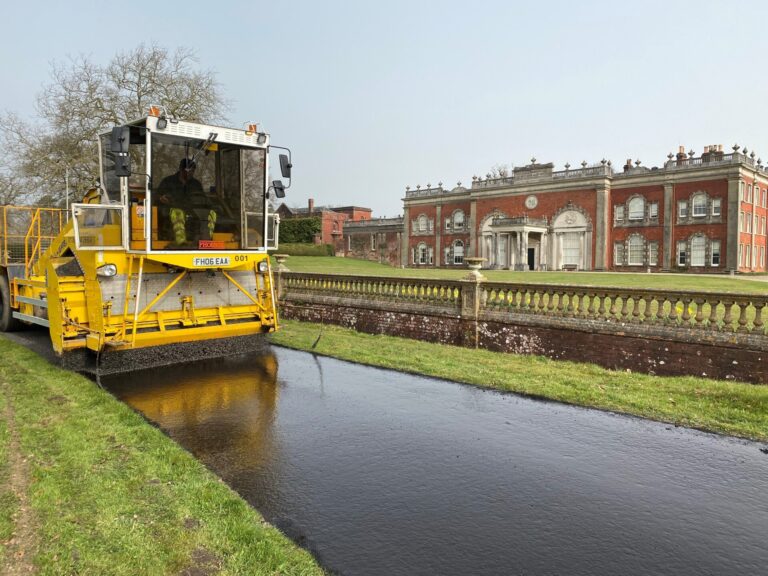
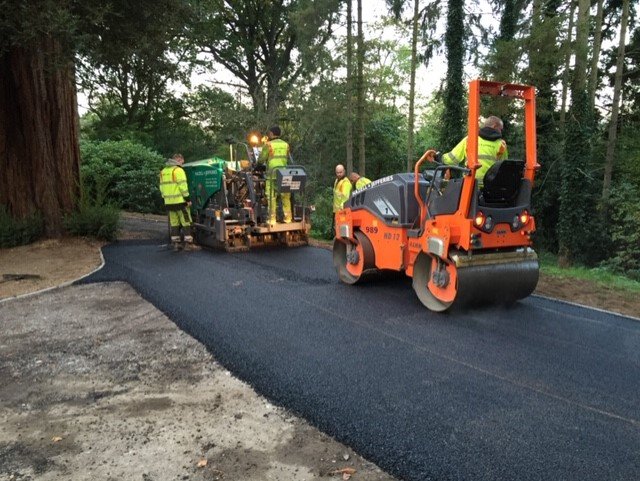
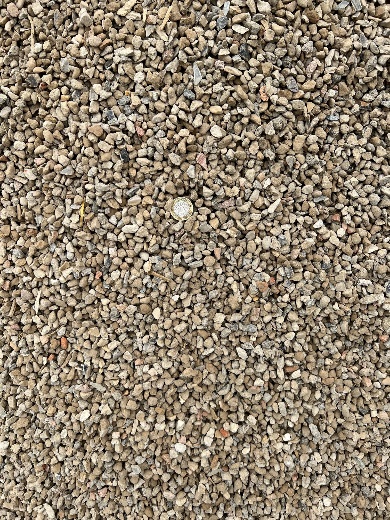
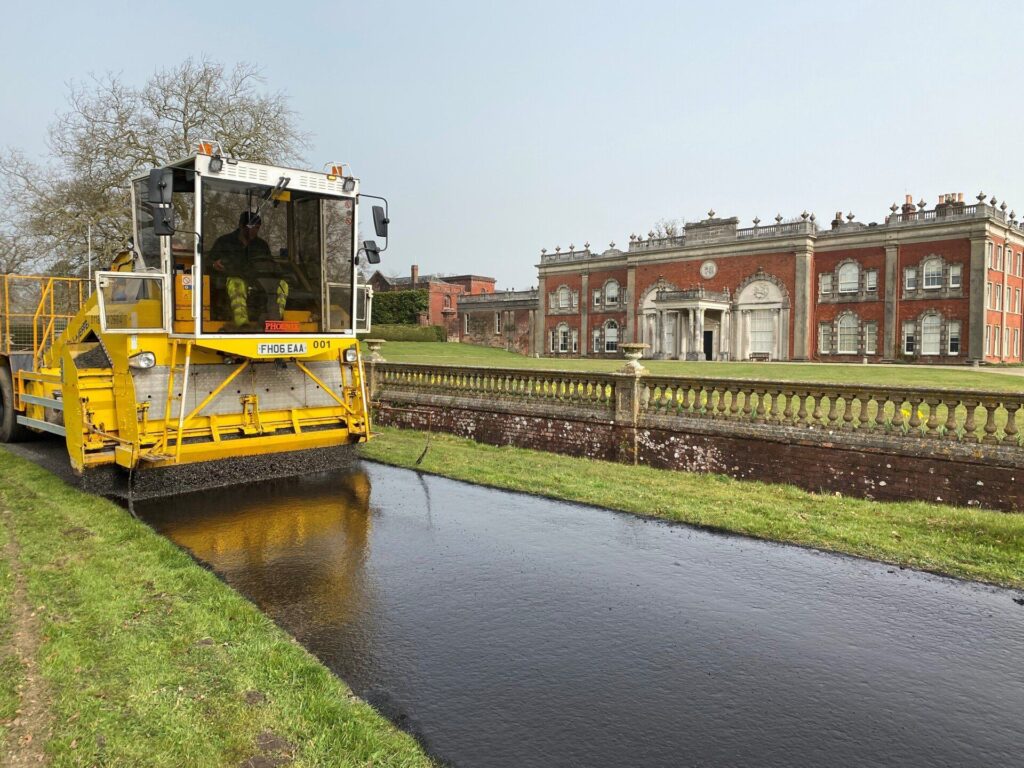
The process involves spraying a bitumen emulsion onto the existing road surface, followed immediately by the application of graded stone chippings. These chippings are then rolled into the binder and embedded through controlled traffic movement.
Once cured, the treatment forms a durable, skid-resistant surface that seals the road against water ingress and environmental damage.
Surface dressing does not rebuild a road. Instead, it preserves the existing structure, slows deterioration and restores surface performance. That makes it far more cost-effective than resurfacing when used at the correct point in a road’s lifecycle.
The effectiveness of surface dressing depends heavily on timing. If a road is already suffering from widespread structural failure, deep potholes or base layer damage, surface dressing will not resolve those issues. In those cases, more extensive repairs or resurfacing are required.
However, when surface dressing is applied at the first signs of surface degradation, it prevents water penetration, reduces further cracking and maintains skid resistance.
Identifying the warning signs early allows asset managers and local authorities to intervene before minor defects become expensive problems.
Read more: Why road maintenance is so important
One of the earliest and most important indicators is reduced grip. Over time, traffic polishes the aggregate at the surface of the road, particularly at junctions, bends, roundabouts and braking zones. This smooths the surface texture and reduces skid resistance, increasing the risk of accidents, especially in wet conditions.
If drivers report that a road feels slippery after rainfall or braking distances appear longer than expected, surface dressing can restore texture and improve safety by reintroducing a high-friction surface.
Improving skid resistance is one of the primary safety benefits of surface dressing.
Small cracks may seem insignificant, but they are one of the most serious warning signs. Once cracks form, water can penetrate the surface and reach lower layers of the road. In colder months, that water freezes and expands, widening cracks and accelerating deterioration.
Surface dressing seals these cracks before water ingress becomes a structural issue. By waterproofing the surface, it prevents frost damage and significantly slows the progression toward potholes and base failure.
Keep reading: What causes potholes?
Cracking that is fine and limited in extent is often an ideal candidate for surface dressing. Extensive cracking or structural movement, however, may require deeper intervention.
A road doesn’t need visible damage to be at risk. Over time, the surface texture can wear away due to traffic abrasion. This reduces drainage efficiency and allows water to sit on the surface rather than dispersing.
Smooth, polished surfaces are more prone to skidding and water retention, both of which compromise safety and accelerate wear.
Surface dressing reinstates texture, improving water run-off and restoring grip without the need for full resurfacing.
Fretting occurs when small particles of aggregate loosen and detach from the surface. This can leave the road looking patchy or worn, with exposed binder visible in places. While fretting may not yet pose a serious structural risk, it indicates that the surface layer is degrading.
Surface dressing stabilises the surface by locking in new aggregate and preventing further material loss. Addressing fretting early helps avoid deeper deterioration that would otherwise require more disruptive repairs.
If water remains on the road surface for longer periods after rainfall, it can signal that the surface has lost its impermeability.
This standing water increases the likelihood of skidding and speeds up surface breakdown. It also raises the risk of winter damage as moisture freezes and expands within micro-cracks.
Surface dressing restores the waterproof seal of the road, preventing water penetration and improving drainage performance.
Colour fading, binder exposure and uneven appearance are often signs of surface ageing. While visual wear alone doesn’t always mean immediate failure, it often coincides with reduced surface performance. These visual indicators suggest the road is approaching the point where preventative maintenance will be most effective.
Surface dressing refreshes the surface appearance while delivering functional improvements that protect the underlying structure.
If a road requires repeated minor repairs, such as patching or crack filling, it may be more cost-effective to intervene with surface dressing.
Frequent reactive repairs are a sign that the surface layer is no longer performing as intended. Surface dressing addresses the cause of the issue rather than repeatedly treating symptoms.
By stabilising the surface, it reduces the need for ongoing maintenance and helps control long-term costs.
Surface dressing is not a cure-all. If a road shows signs of structural failure, widespread potholing, rutting or deformation in the base layers, surface dressing will not be effective. In these cases, resurfacing or reconstruction is required.
A professional condition assessment is essential to determine whether surface dressing is appropriate or whether more extensive treatment is necessary. Hazell & Jefferies are happy to come and assess your situation and provide you with a quote, so get in touch!
Surface dressing protects the existing structure, slowing deterioration and delaying the need for resurfacing by several years.
Restored skid resistance and improved drainage reduce accident risk, particularly in wet conditions.
Surface dressing costs significantly less than resurfacing, allowing budgets to stretch further and cover more of the network.
Surface dressing is quick to apply, minimising road closures and disruption to road users.
Preventative maintenance reduces material use, plant emissions and waste compared to frequent resurfacing.
Surface dressing delivers the greatest value when used proactively rather than reactively. By monitoring surface condition and intervening early, councils and asset managers can protect road networks more effectively and avoid sudden, high-cost repairs.
Integrating surface dressing into a planned maintenance programme allows works to be scheduled during optimal conditions and coordinated with other infrastructure activities.
Surface dressing performs best when applied in warm, dry conditions, typically between April and September. During this period, binders cure properly, aggregate embeds effectively and traffic can be reinstated safely and efficiently. Attempting surface dressing outside this window significantly increases the risk of early failure.
Careful seasonal planning ensures treatments deliver their full intended lifespan.
With over 50 years’ experience in road surfacing and maintenance, Hazell & Jefferies Ltd understands the importance of identifying the right treatment at the right time.
We work with local authorities, private estates and commercial clients across the UK to deliver surface dressing programmes that protect road assets, improve safety and maximise value for money.
Our approach combines detailed assessment, careful scheduling and proven application methods to ensure long-lasting results.
Surface dressing is most effective when applied at the first signs of surface wear. If your road is showing reduced grip, early cracking, surface ageing or increased maintenance demand, acting now can prevent far more costly intervention later.
Hazell & Jefferies Ltd provides expert advice and professional surface dressing services across the UK. Contact our team today to assess your road network and plan preventative maintenance at the right time.