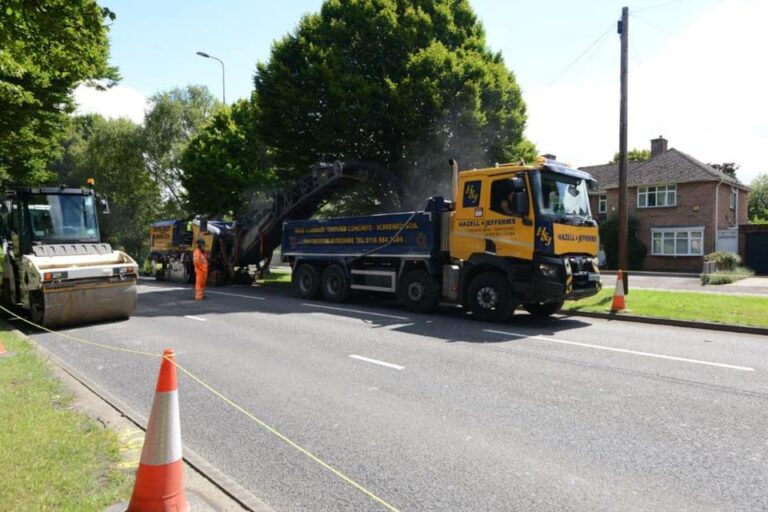
Although smooth ‘tarmac’ roads are something we take for granted in our everyday lives, prior to this the dusty, gravel roads used previously were suitable for horses and pedestrians, but were becoming outdated for the emerging transport of the day like the motorcar.
Nottinghamshire county surveyor Edgar Hooley was walking in Denby, Derbyshire one day when he noticed a smooth stretch of road close to an ironworks.
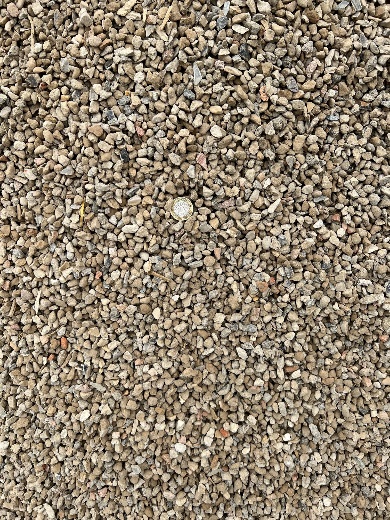
The locals informed him that a barrel of tar had spilt on the road and someone had poured waste slag from the nearby furnaces to cover over the mess. Hooley noticed this unintentional method had solidified the road and there was no rutting or dust as was a problem with gravel roads. By 1902 Hooley had patented the road surfacing process, which involved heating tar, adding slag and broken stones to form a smooth road surface.
This combination of Hooley’s newfound tar method with John Mcadam’s original surfacing method called “macadamising” (adding a layer of crushed gravel to the road) saw the creation of tarmacadam, which would later become known as Tarmac.
He began transforming road surfaces in Nottingham and the surrounding areas, and five miles of Nottingham’s Radcliffe Road became the first tarmac road in the world.
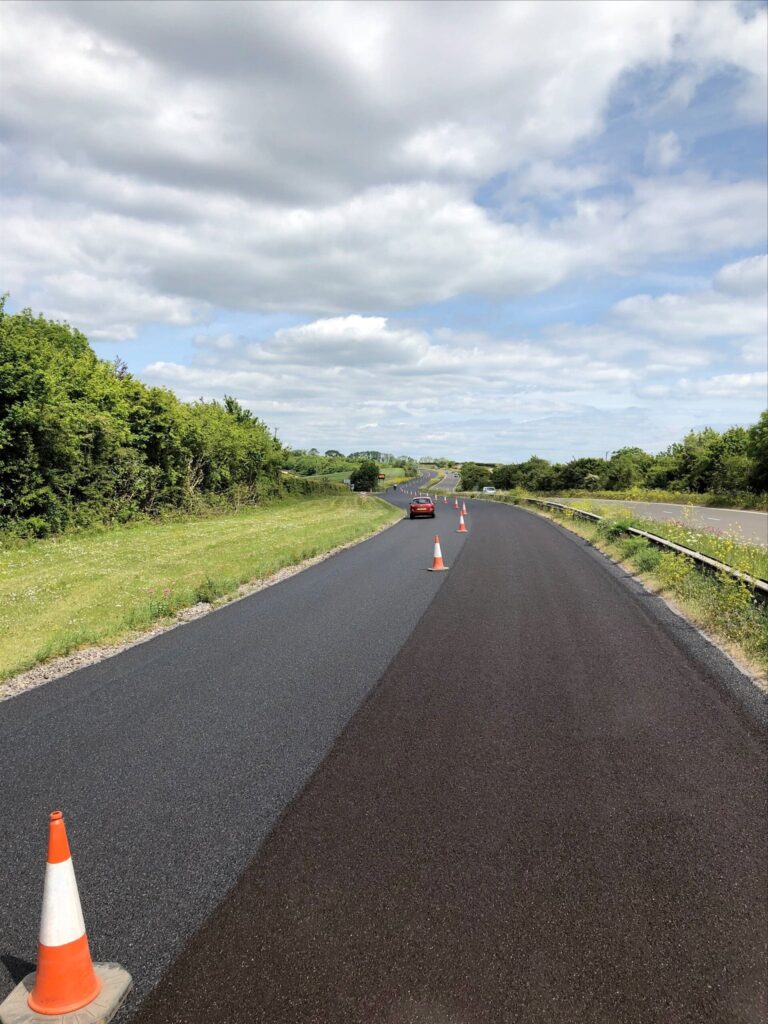
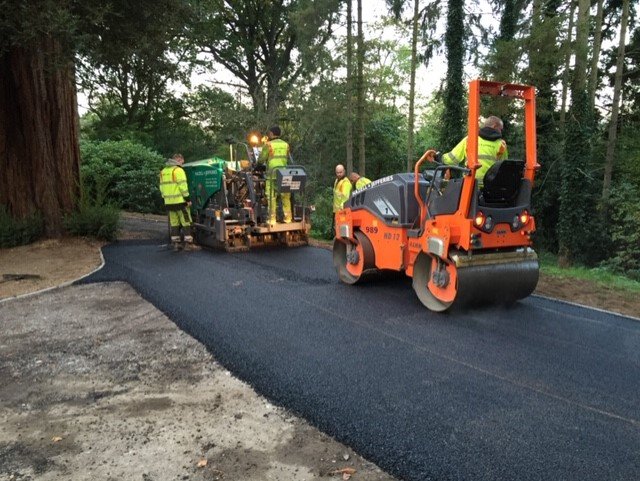
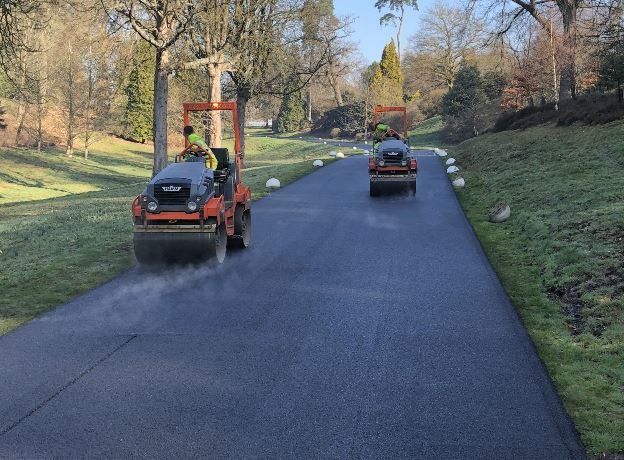
Modern asphalt methods have since replaced Tarmac, with tarless asphalt mixtures now a widely used method for roads and runways (but is still commonly referred to as tarmac).
Asphalt is one of the most important infrastructure methods of the modern world, allowing quick and easy access for both people and vital equipment across the world that would otherwise not have been possible.
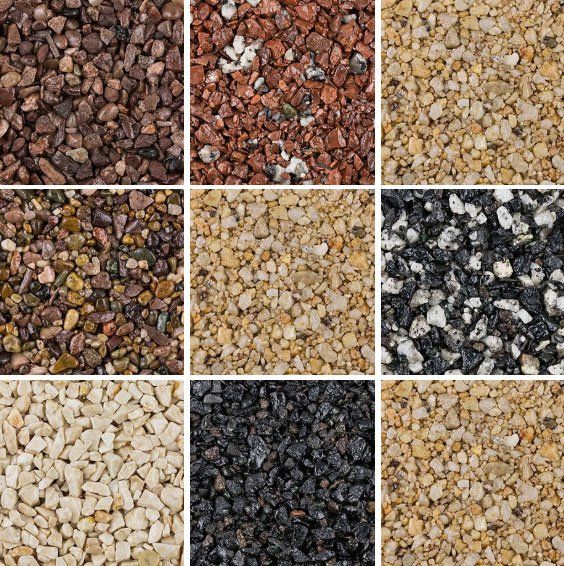
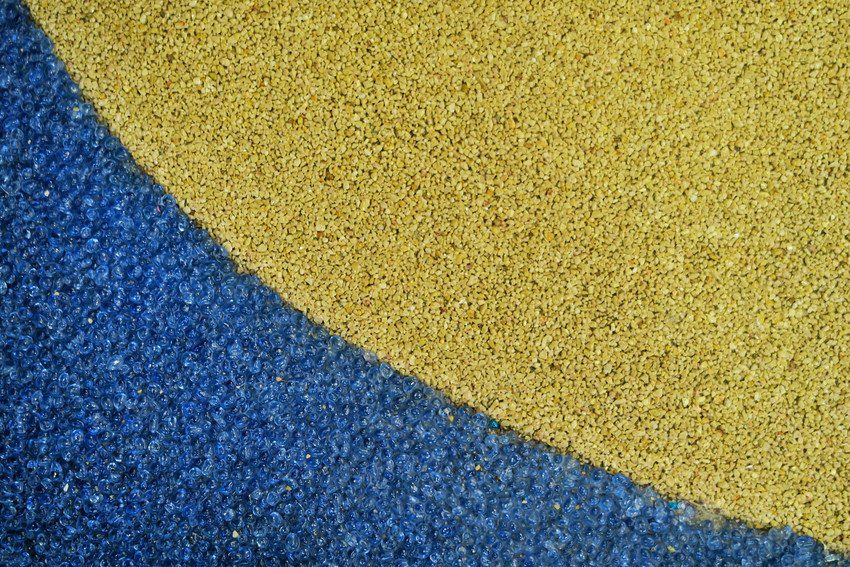
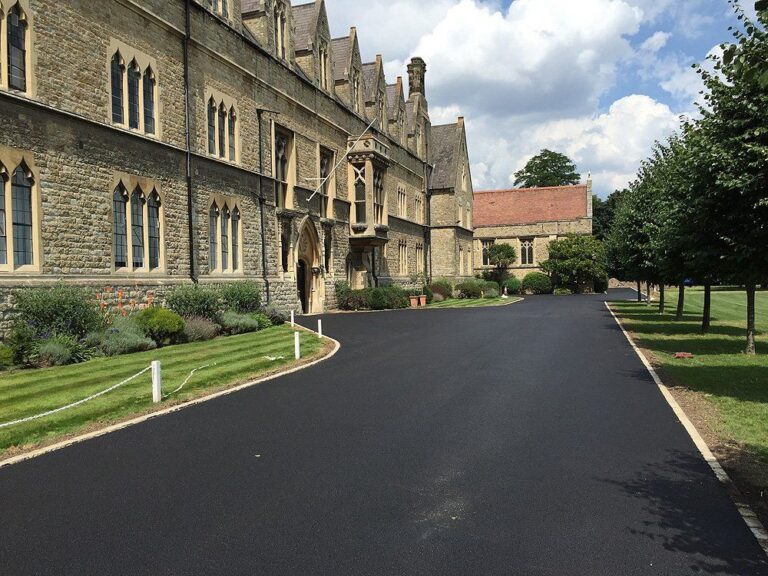
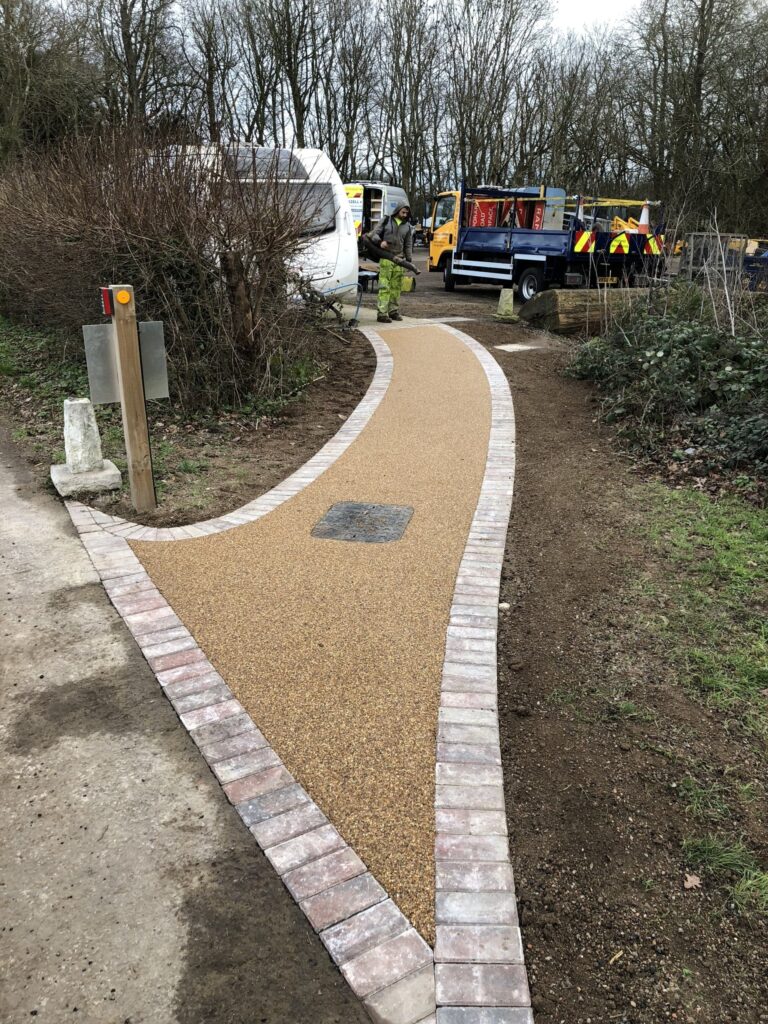
It is commonly used in commercial projects, but is also a commonly used driveway surface, due to its durability, affordability and ease of maintenance. Asphalt is also available in a variety of colours, most commonly found in black but also available in red, blue gold and green.
Whether it’s for commercial or domestic use, we can provide affordable and efficient asphalt surface solutions. We’ll plan the installation around your project, ensuring you have a reliable surface to work from. Get in touch with our experts today to learn more.