Driveway drainage problems can seem like a small inconvenience at first, but they are one of the biggest reasons surfaces fail long before they should. Whether your driveway is made from tarmac, asphalt, concrete, block paving or resin, water is its biggest threat. When rainwater cannot drain away properly, it sits on or beneath the surface, gradually weakening the materials that hold your driveway together.
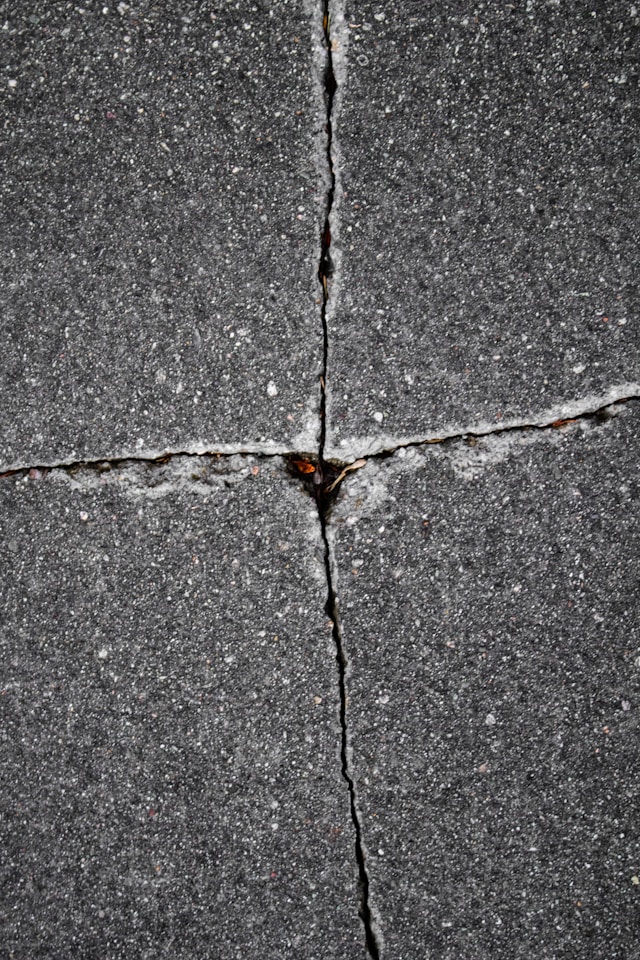
Standing water works its way into tiny cracks, where it freezes and expands during colder weather. This freeze–thaw cycle quickly turns minor imperfections into structural defects. Constant moisture also breaks down binding agents in asphalt and tarmac, softens the ground beneath block paving and accelerates the breakdown of concrete surfaces.
Left unresolved, drainage issues often lead to cracking, sinking, potholes, surface movement and long-term instability. Fixing the cause early is far more cost effective than repairing or replacing extensive damage later on. With good drainage, your driveway lasts longer, looks better and stays safer for both vehicles and pedestrians.
Surface puddles are the clearest sign that your driveway isn’t draining correctly. They typically form because of uneven settlement, worn surfaces or blocked drainage points. Even shallow puddles can be a problem: they keep the surface wet for longer, encourage algae and moss growth and increase the chances of frost damage during winter.
After rainfall, take note of where water collects. These areas often indicate low spots that will only worsen over time.
Driveways should be laid with a slight slope so water runs away from your home and towards a drainage point. Over time, surfaces can settle or sag, causing the original gradient to change. When this happens, water may flow towards your garage, front door or boundary walls, or it may sit in dips on the driveway.
Improper grading is one of the most common causes of repeated flooding and long-term structural issues.
Many driveways have gullies, drainage channels or soakaways positioned to collect surface water. When these fill with soil, moss or debris, they lose their ability to drain effectively. In some driveways, drainage channels were installed too high or in the wrong position, meaning water never reaches them in the first place.
If you regularly see water flowing over or around drains but never into them, this is a sign of poor drainage design or maintenance.
Bad drainage can cause water to spill over the edges of your driveway, washing away the soil that supports the structure. Eroded edges weaken the driveway’s foundation, leading to crumbling borders, cracking and eventual collapse of sections of the surface.
This is especially common on older tarmac and asphalt driveways where edge restraints may not have been used during installation.
If your property sits at the bottom of a slope, rainwater from neighbouring gardens, driveways or roads can flow onto your driveway. Even a well-designed drainage system can struggle to handle excessive runoff.
This issue often becomes worse during heavy rain, creating sudden, intense pooling that quickly damages the surface.
Some drainage failures start below the surface. A driveway built on an insufficient or poorly compacted sub-base may develop dips, soft spots and sinking areas. Water then collects in these low points and penetrates deeper into the structure, causing further deterioration.
Older driveways or DIY installations are particularly prone to these issues.
Organic debris traps moisture on the surface and blocks natural drainage paths. Moss and weeds also grow between joints in block paving or at the edges of tarmac and asphalt driveways, lifting materials and creating tiny pockets where water can pool.
Small-scale vegetation issues can eventually lead to much larger drainage and structural problems if left untreated.
If puddles are limited to a few areas, localised levelling may solve the issue. This involves cleaning the affected patch, removing loose material and applying a suitable repair compound such as asphalt patch, concrete mortar or levelling compound.
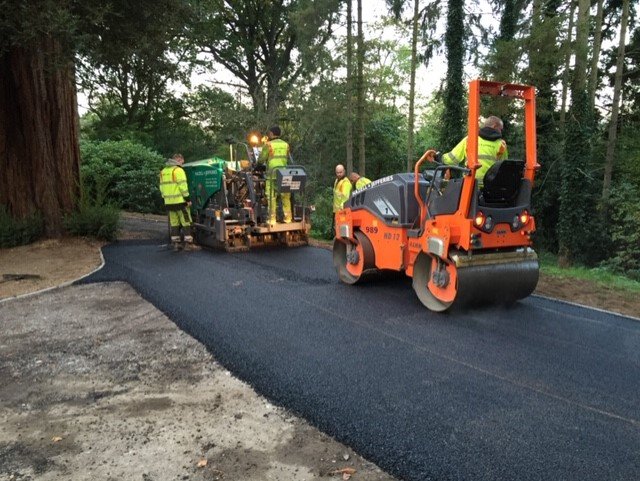
For concrete, a skim coat or resurfacing overlay may be needed. For tarmac and asphalt, cold-lay patching mixes work well as long as the base is solid. However, if dips keep returning, it usually means the sub-base has weakened, and resurfacing the affected section may be necessary.
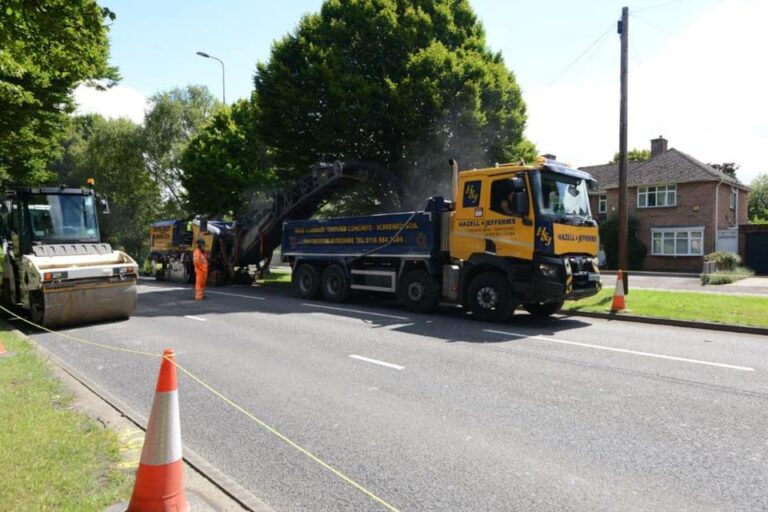
When poor slope is the root cause of drainage problems, small fixes won’t be enough. The driveway surface may need to be reprofiled to restore the correct gradient that directs water away from your property.
Light grading can sometimes be done with patching materials, but larger issues usually require resurfacing. Correcting the slope early prevents far greater structural damage later on.
If your driveway has blocked drains or gullies, start by clearing all debris, leaves and moss. Jet washing may help, but take care to avoid damaging surrounding surfaces.
If water still bypasses the drainage channels after cleaning, the drains may be set too high or be incorrectly positioned. In these cases, replacing the drainage channel or installing a new one at the correct fall is often the most effective solution.
For heavy-flow areas, adding a linear channel drain or increasing the capacity of an existing soakaway may be necessary.
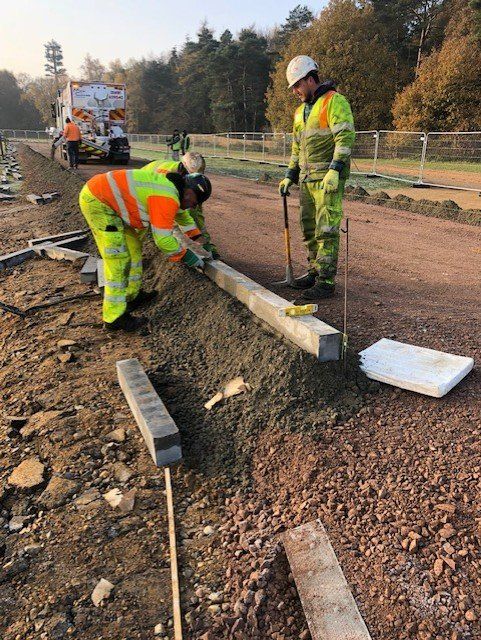
To fix undermined edges, you may need to rebuild the sub-base, compact fresh material and add proper edge restraints. This stops water from washing away the supporting ground and gives the driveway a stronger structural frame.
Concrete haunching, kerbs or block edging are common solutions that help stabilise the driveway and improve drainage behaviour.
If the driveway struggles to handle heavy rain or external runoff, adding new drainage systems is often the best approach. Options include:
A professional contractor can assess which system suits your layout, soil type and water flow.
If water is flowing onto your driveway from neighbouring land, solutions may include:
These targeted solutions help protect your driveway from damage that isn’t coming from your property.
Applying a high-quality sealant reduces surface permeability, prevents freeze–thaw penetration and helps rainwater run off more efficiently. Sealants are particularly effective on tarmac, asphalt and concrete driveways.
For guidance: Is it worthwhile to get my driveway sealed?
These surfaces drain well when properly installed, but dips, soft spots and raveling can interrupt natural water flow. Typical drainage repairs include:
If the sub-base has failed, larger structural repairs may be required.
Concrete is durable but unforgiving when it comes to drainage issues. Ponding water quickly leads to surface scaling, cracking and discolouration. Fixes often include:
Severe structural movement may warrant full replacement of affected slabs.
Block paving is popular because it can be lifted and relaid. Drainage repairs often involve:
This makes block paving one of the easiest surfaces to repair effectively.
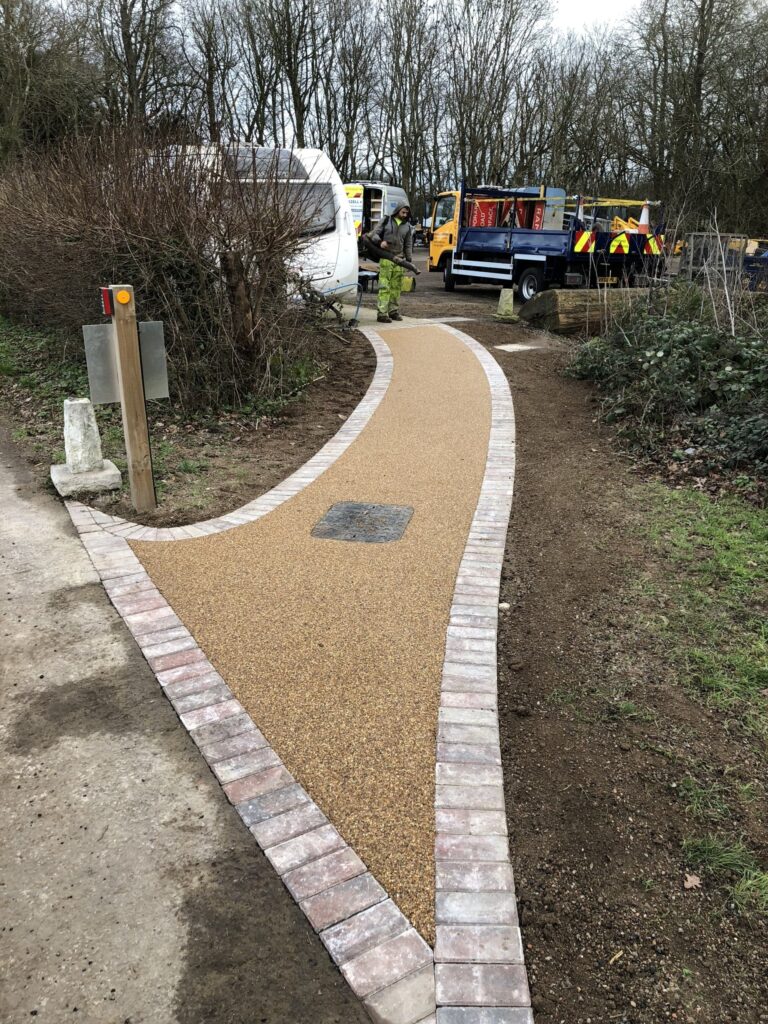
Resin bound surfaces are permeable by design, but their pores can become blocked by dirt and organic matter. Once blocked, water begins sitting on the surface. Repairs often require specialist cleaning or partial resurfacing.
Repairs are typically suitable when:
Consider resurfacing if:
In these situations, resurfacing resolves the underlying issues and prolongs your driveway’s lifespan.
Read more: Resurfacing vs replacement – which is best for your driveway?
While DIY repairs can help in the short term, professional driveway contractors can identify the root cause of drainage failures, not just the surface symptoms.
Professionals offer:
Keep reading: A guide to maintaining driveways
Drainage problems can shorten the life of your driveway, increase repair costs and create unnecessary hazards. Fixing issues early provides long-lasting protection and ensures your driveway stays strong, safe and visually appealing.
With over 50 years of experience, Hazell & Jefferies Ltd delivers expert driveway repairs, drainage solutions and resurfacing across Oxfordshire, Berkshire, Reading and the surrounding areas.
Whether you need a small local repair or a full drainage overhaul, our team is here to help you restore your driveway properly and prevent future issues.
Contact us today to discuss your driveway drainage problems and arrange a free, no-obligation quote.