Surface dressing is one of the most effective and cost-efficient ways to preserve road surfaces, improve skid resistance and extend pavement life. But unlike some maintenance treatments, its success is heavily dependent on timing.
Even when the correct materials and methods are used, surface dressing applied under unsuitable weather conditions is far more likely to fail early. That leads to loose chippings, poor adhesion, reduced lifespan and, ultimately, wasted public investment.
Choosing the right time of year for surface dressing isn’t just a technical preference. It’s a critical decision that affects durability, safety, programme efficiency and public perception.
Understanding how temperature, moisture and traffic behaviour interact with surface dressing helps councils and asset managers plan treatments that deliver lasting value. It’s also important to keep an eye out for the signs that a road is in need of surface dressing.
For practical advice on planning surface dressing works, speak to the experienced team at Hazell & Jefferies Ltd.
Keep reading: What is road surface dressing?
Surface dressing timing at a glance:
|
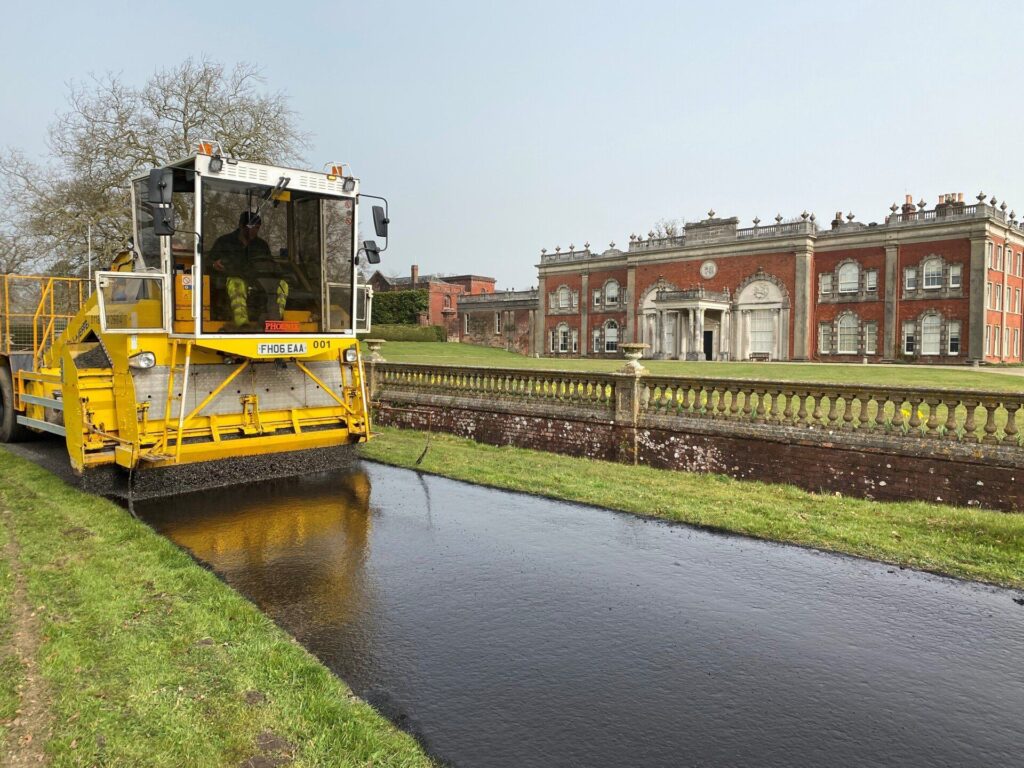
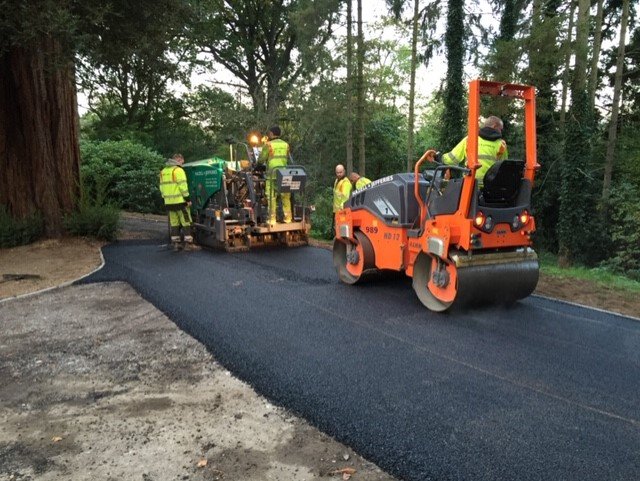
Surface dressing involves spraying a bitumen emulsion onto an existing road surface and immediately applying stone chippings, which are then rolled in to embed them securely.
This process seals the surface, prevents water ingress and restores skid resistance. But for it to work properly, the binder must break and cure at the right rate, and the chippings must embed before traffic is allowed back onto the road.
Temperature affects how quickly the binder breaks and sets. Moisture interferes with adhesion. Traffic behaviour during curing influences whether chippings remain in place or are dislodged.
When conditions are favourable, surface dressing delivers long-term protection at a fraction of the cost of resurfacing. When they aren’t, the treatment struggles to perform as intended.
That’s why seasonal timing is so important.
Surface dressing requires consistent warmth to achieve proper binder performance.
Most emulsions need road surface and air temperatures to be comfortably above minimum thresholds so the binder can break and cure evenly. If temperatures are too low, the emulsion may not break properly, leaving the surface vulnerable to early failure.
Cold conditions slow curing and reduce the bond between binder and aggregate. This increases the likelihood of loose chippings, scabbing and uneven finishes once traffic is reintroduced.
Conversely, excessively high temperatures can also cause issues. Over-softening of the binder increases the risk of bleeding, particularly on heavily trafficked routes.
The most reliable balance is found in late spring and summer, when temperatures are warm but stable. This allows the binder to cure at a controlled rate and achieve strong adhesion before the road is reopened fully.
Moisture is one of the biggest enemies of surface dressing.
Rainfall before or during application can prevent the binder from adhering to the road surface properly. Even light showers can compromise the bond, while heavier rain risks washing away emulsions entirely.
High humidity and damp conditions also slow curing and increase the risk of early surface defects.
For this reason, surface dressing is scheduled during drier months, when the likelihood of prolonged rainfall is lower and weather forecasts are more predictable.
This doesn’t mean occasional showers can’t be managed, but it does mean that spring and summer offer a far greater margin for success than autumn or winter.
Surface dressing doesn’t reach full strength immediately.
Once applied, the surface needs time under controlled traffic conditions for the chippings to embed fully and excess stone to be swept away.
In cooler or damp conditions, this process takes longer. Traffic introduced too early can dislodge chippings, reducing skid resistance and creating hazards for road users.
Warmer temperatures accelerate curing, allowing roads to return to normal use more quickly and safely.
This is another reason why surface dressing is best carried out during warmer months, when curing times are shorter and traffic management and road repair planning can be put in place easier.
Taking temperature, moisture and traffic considerations together, the most reliable period for surface dressing in the UK typically falls between April and September.
During this window:
Spring marks the point where winter moisture and frost damage can be addressed proactively. Early surface dressing helps seal minor defects before they worsen under summer traffic.
Summer offers the most stable conditions for large-scale programmes, with long daylight hours and reduced weather disruption allowing teams to complete more work in less time.
Early autumn can still provide suitable conditions, particularly in September, but the risk of cooler temperatures and increased rainfall grows as the season progresses. This makes careful planning and close weather monitoring essential towards the end of the window.
Winter conditions are fundamentally incompatible with surface dressing.
Low temperatures prevent emulsions from breaking correctly. High moisture levels interfere with adhesion. Frost risks damaging the binder before it cures. Short daylight hours limit working windows and increase safety risks.
Attempting surface dressing during winter almost always leads to premature failure and wasted expenditure.
For this reason, winter is generally reserved for reactive repairs such as pothole patching and safety-critical interventions, rather than preventative treatments.
However, winter plays an important role in planning. It provides an opportunity to survey networks, prioritise roads and prepare surface dressing programmes ready for delivery as soon as conditions improve.
Surface dressing applied in the right conditions forms a strong, durable seal that protects the underlying structure from water ingress and weather damage.
This significantly extends the life of the road and delays the need for more disruptive and expensive resurfacing.
Correctly applied surface dressing restores texture and grip, improving braking performance and reducing the risk of skidding.
When applied at the right time of year, the treatment sets properly and provides reliable skid resistance for years.
Read more: Why road maintenance is so important
Surface dressing is already one of the most cost-effective road maintenance treatments available.
Scheduling it during the optimal seasonal window maximises that value by reducing failure rates, minimising rework and extending treatment life.
This allows councils and asset owners to protect more of their network within fixed budgets.
Favourable conditions allow crews to work more efficiently and complete larger sections of road in shorter timeframes.
Faster curing also means traffic restrictions can be lifted sooner, reducing disruption for residents, businesses and road users.
Well-timed surface dressing programmes that deliver smooth, durable results help build confidence in road maintenance strategies.
Clear scheduling, minimal disruption and long-lasting surfaces improve how communities perceive highway works.
Surface dressing delivers the greatest benefit when it forms part of a planned, preventative maintenance programme rather than a reactive response to failure.
By treating roads early in their deterioration cycle and scheduling works during the optimal seasonal window, asset managers can slow degradation and reduce long-term costs.
Aligning surface dressing with other treatments, such as surface sealing or targeted repairs, further improves outcomes and minimises repeat closures.
This strategic approach relies on accurate condition data, forward planning and experienced delivery partners who understand the seasonal constraints of each treatment.
Effective surface dressing planning starts well before works begin on site.
During winter and early spring, councils and asset owners should assess road condition data, identify priority routes and finalise budgets. Early engagement with contractors allows programmes to be scheduled promptly once conditions allow.
Weather monitoring remains essential throughout the delivery window, particularly at the start and end of the season. Flexibility within programmes helps ensure works are carried out only when conditions are suitable.
Clear communication with local communities about timing, expectations and aftercare also plays a key role in programme success.
So, what’s the best time of year for road surface dressing?
In most cases, the answer is clear. Surface dressing performs best when delivered in the Spring & Summer months, under warm, dry and stable conditions.
With over 50 years’ experience in road surfacing and maintenance, Hazell & Jefferies Ltd understands how critical timing is to successful surface dressing.
We deliver surface dressing programmes across the UK between April and September, aligning works with the conditions that allow treatments to perform at their best.
Our approach combines careful planning, experienced crews and proven materials to deliver durable, cost-effective results for councils, local authorities and private clients.
By scheduling treatments within the optimal seasonal window, we help protect road networks, improve safety and maximise value.