Recycled Materials

TO FIND OUT MORE ABOUT OUR Materials
CALL US TODAY ON 0118 984 2684

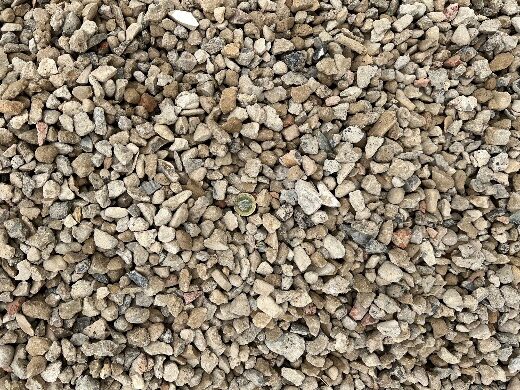
Close up of a gravel path.

Order quality recycled aggregate materials in Oxford

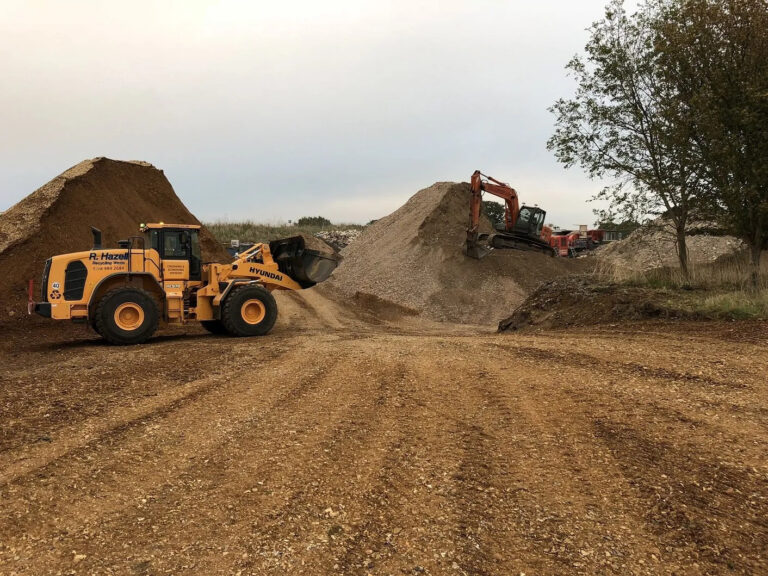
When we collect waste materials from our skip hire or our own projects, we take them to our Environment Agency-registered recycling centre in Oxfordshire. There, we turn them into cost-effective, eco-friendly and hard-wearing recycled aggregates that we use or sell.

Below, you’ll find a list of our recycled aggregates. To purchase these recycled materials, please get in touch.
6F2 Crushed stone

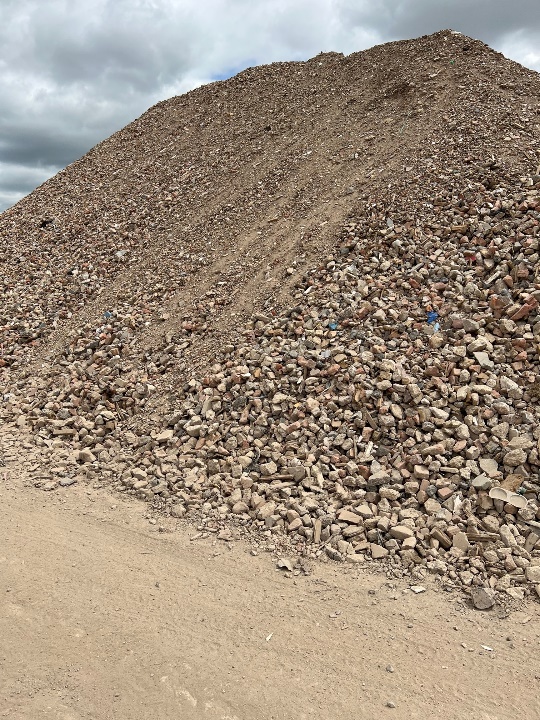
Also known as type 2 crushed stone, this coarse aggregate is composed of crushed concrete, brick and mortar produced as a by-product of demolitions. It serves as a well-draining sub-base for roads, driveways and pathways. Available sizes include 75mm concrete and hardcore down to dust.
10mm and 20mm shingle

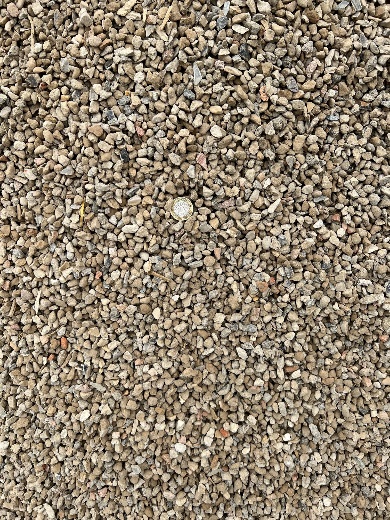
Dry screened 10mm and 20mm recycled shingle are commonly used for drainage applications, pipe-laying projects and landscaping to redirect and manage water flow. They’re used to bed and cover both solid and perforated pipes, allowing water to pass through while maintaining a clean aesthetic.
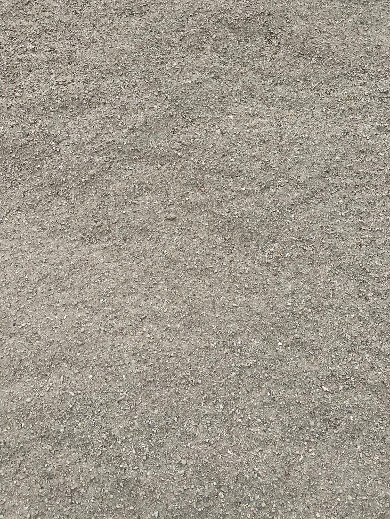
Cable Sand

This fine-grade free-flowing sand effectively surrounds underground utility services such as cables and pipes, and resists movement once compacted. Cable sand rapidly dissipates heat, helping to keep the contained infrastructure cool.
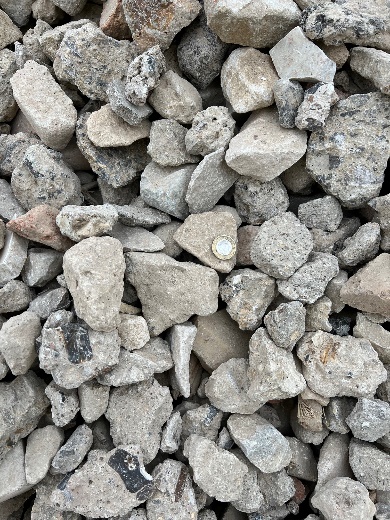
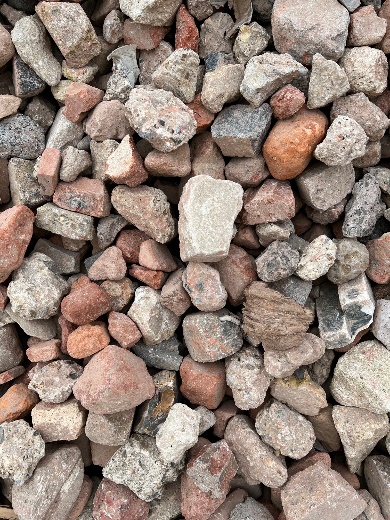
75mm/40mm Concrete

Composed of crushed concrete or bricks that have been screened to remove dust and fines, this aggregate is an excellent all-in-one that creates a highly durable surface when compacted. This makes it useful as a sub-base or drainage layer where fines are undesirable, such as roads, paths, driveways and haul roads. Available sizes include 75mm down to 40mm concrete.
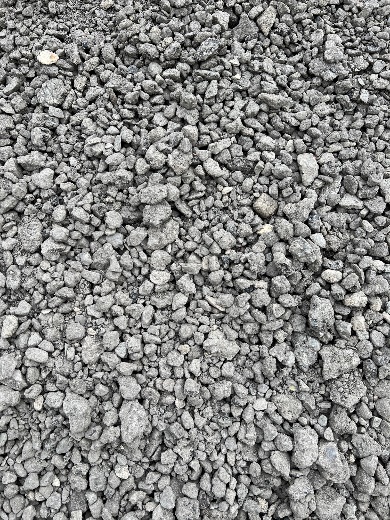
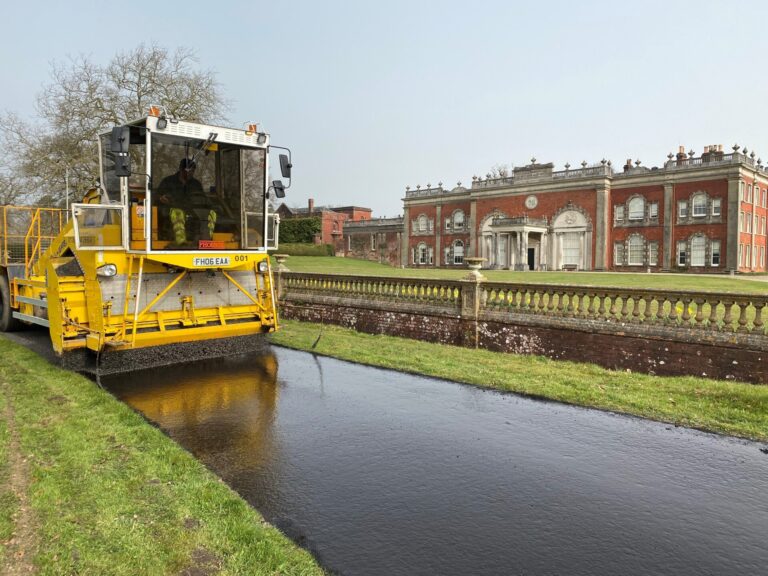
Screened Road Planings

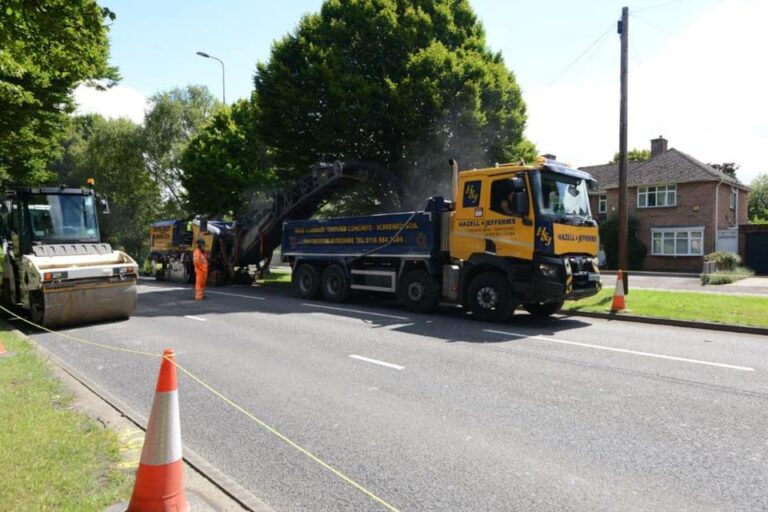
Also known as tarmac scalpings, this aggregate is produced when a cold milling machine rolls over a tarmacked area. It’s an excellent top-layer material in high-traffic or weather-exposed areas, as it forms a highly resistant surface once cooled. Available sizes include 40mm down to dust.
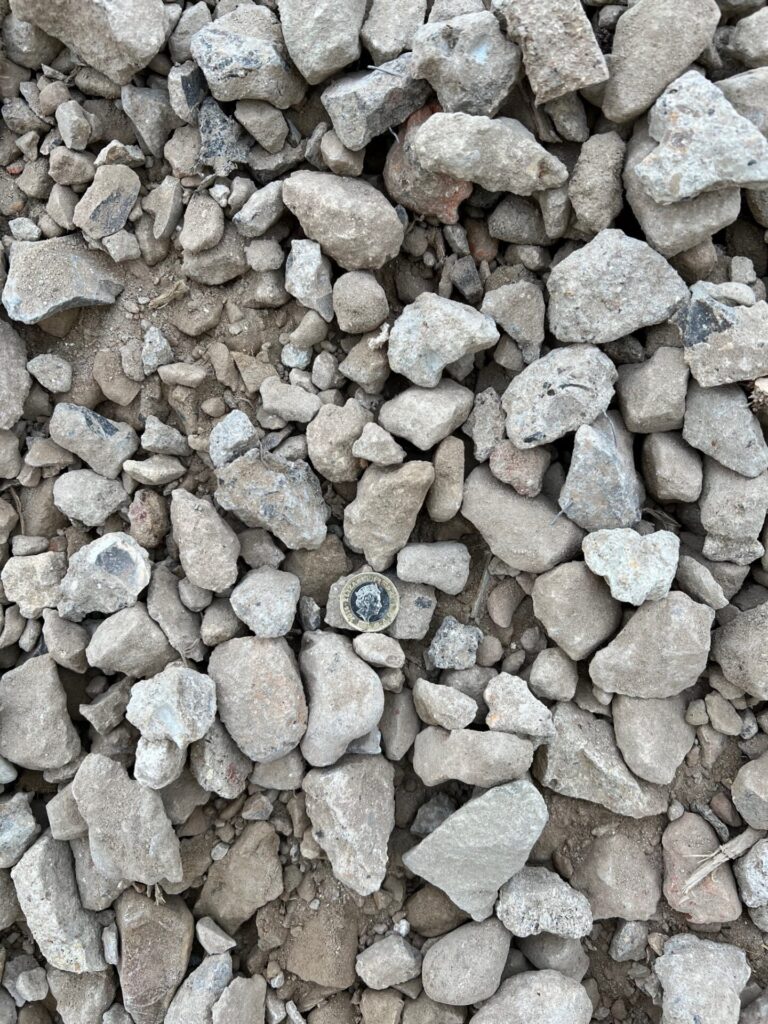
Type 1 Recycled

This highly versatile and cost-effective material is produced from high-quality concrete. It’s more environmentally friendly than crushed limestone or dolomite and is suitable for use in roads, footpaths and driveways. Available sizes include 40mm down to dust.
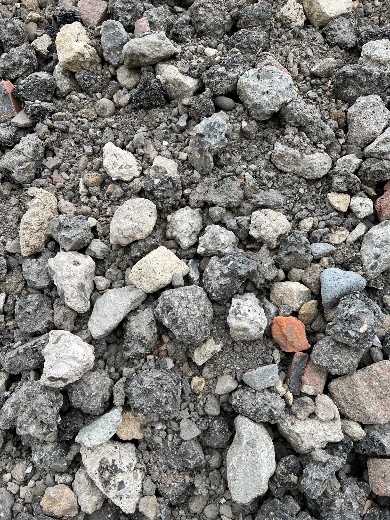
Crushed Tarmac

Similar to Screened Road Planings, this is mainly comprised of reclaimed asphalt (tarmac) from road surfacing and civil engineering projects. This is crushed, primarily, to 75mm down to dust and is often used as a sub base for private roads and car parks.
Recycled aggregates FAQs

What can recycled aggregates be used for?

Recycled aggregates are suitable for a wide range of construction, landscaping and road maintenance projects. They’re commonly used for:

Sub-bases beneath new roads, driveways and car parks
Driveways and private access roads
Farm tracks and rural routes
Temporary construction access roads
Drainage layers and soakaways

Finely graded materials are often used for levelling ground, binding surfaces or reinstating excavations. And coarser materials work well for drainage layers, soakaways and stabilising soft ground.

Are recycled aggregates as strong as virgin materials?

In most applications, recycled aggregates perform just as well as their quarried equivalents. Crushed concrete, road planings and screened materials offer excellent compaction, high load-bearing strength and good long-term durability when installed correctly.

Local authorities and construction contractors often use recycled materials because they meet the engineering standards required for sub-bases and road construction, but at a lower cost.

What are the benefits of using recycled aggregates?

Using recycled materials offers a range of practical advantages for construction and road maintenance projects, including:

Lower project costs: Recycled aggregates are typically cheaper than newly quarried stone while delivering comparable performance
Reduced environmental impact: Reusing materials eliminates unnecessary landfill waste and conserves natural resources
Cuts carbon emissions: Less quarrying and shorter transport distances significantly reduce the carbon footprint of your project
Ensures high durability: Well-graded recycled aggregates compact tightly and provide strong, reliable structural support
Offers wide versatility: Recycled materials are suitable for everything from sub-bases and drainage layers to road surfaces

Can I use recycled aggregates for driveways and access roads?

Recycled aggregates such as crushed concrete and road planings are ideal for driveways, private lanes and rural access roads. They compact tightly to form a stable base and can withstand regular vehicle use just as well as quarried materials.

For heavier traffic or extra long-term durability, pair recycled aggregates with a professionally laid sub-base.

What’s the difference between screened and unscreened aggregates?

Screened aggregates have been filtered to separate aggregates above and below a particular size, such as ‘40mm down’. Consistent particle sizes compact more easily and offer predictable performance.

Unscreened aggregates, however, contain a mixture of sizes straight from the crusher. Since they don’t need additional processing, they’re often more affordable. These stones are suitable for bulk fill or general ground improvement, but don’t provide the precise level of finish or stability required for premium surfacing projects.

How does aggregate size affect drainage and stability?

Larger aggregates allow water to pass through more freely, making them ideal for drainage layers, soakaways and stabilising soft or saturated ground.

Finer aggregates compact more densely, creating a firm and stable surface for sub-bases, driveways and areas of heavy traffic.

Choosing the correct size of aggregate is essential – good drainage prevents standing water while proper compaction ensures long-term structural strength.

Which recycled aggregates offer the best compaction for long-term durability?

Crushed concrete and well-graded recycled Type 1 alternatives provide excellent compaction and are a popular choice for use beneath roads, car parks and heavy-use access roads.

These materials interlock when compacted, creating a dense, stable layer that resists movement over time.

Road planings also compact effectively, particularly when installed on a solid sub-base.

Where do your recycled materials come from?

We produce recycled aggregates ourselves at our Oxfordshire recycling centre.

After a project, we collect all the waste asphalt, concrete and road planings that other companies might instead send to landfill. Then we crush, screen and grade them into reusable products.

While we sell plenty of recycled aggregates to contractors and private buyers throughout the UK, we mainly use them for our own projects. We know from experience that our materials create stable, durable, long-lasting surfaces. So you can have total confidence in using them for your projects, too!