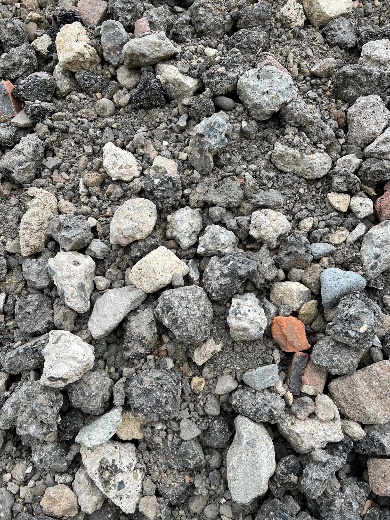
You’ve spotted loose stone on your driveway surfacing, and you’re wondering what to do about it, how bad it is, and whether or not to ignore it. Perhaps the edges are crumbling away, or patches are breaking up. This is a familiar scenario for many, but the good news is that crumbling tarmac is rarely random; it almost always has an identifiable cause, and it’s usually fixable.
The even better news is that catching it early means a cheaper, simpler fix, so we always encourage homeowners to act sooner rather than later. In this article, we’ll tell you about some likely causes of crumbling tarmac and explain why the edges tend to go first. We’ll also explain what could happen if you ignore the problem, and help you decide whether it’s time to repair or resurface your driveway.
At Hazell & Jefferies, we’ve been carrying out all types of driveway work since 1971 for customers across Oxford, Reading, Didcot, Wallingford, Henley-on-Thames and nationwide, and we can help you too.
If you’re wondering what’s causing your driveway damage, there are a few likely reasons. Tarmac driveway cracking or crumbling is usually down to one of these things:
Not every tarmac driveway was created equal, and if shortcuts were taken at the time of installation, then you might be seeing the result of that. It could be that low-grade original materials were used, or it may be that the wrong techniques were used (e.g., the mix wasn’t laid at the right temperature). This can be frustrating, particularly if it’s a relatively new driveway, but it’s not your fault and it’s nothing you’ve done wrong.
Speaking of sub-standard methods and materials, one of the most common causes of a tarmac driveway crumbling is a bad-quality sub-base. The sub-base is the foundation layer that sits under the tarmac, providing support. Sometimes, it’s poorly compacted, too thin or uneven, meaning everything above it moves about.
Common signs: You may spot sunken patches, cracking that’s spreading, or the surface splitting in specific areas of the driveway.
Even the best tarmac driveways have a lifespan, and it could be that yours is coming to the end of its useful life. Tarmac naturally dries out and loses its flexibility over the years, and the binder that joins the stones can weaken. This is a normal part of the ageing process, not a sign that anything has gone badly wrong with it. If you don’t know how old it is, an expert will be able to give you an indication. Surface sealing can help you protect against wear and tear, and slow down the ageing process.
Common signs: General wear and tear across the driveway, and loose stones shedding.
Standing water will damage driveway tarmac, as it seeps into the material and weakens both the surface and the layers underneath. Over time, water will get into cracks and widen them. If you suspect water is shortening the life of your tarmac driveway, it is wise to address the problem sooner rather than later as the longer you leave it, the worse it will get.
Common signs: Pooling water (notice where puddles appear after rain), or blocked drains nearby.
Linked to water damage is freeze-thaw damage to your tarmac, where water seeps into small gaps during sub-zero temperatures and freezes. This is a particularly prevalent issue in the UK due to our climate conditions. When water freezes, it expands, so it can widen cracks before it melts, especially if this happens regularly throughout winter.
Common signs: Look out for small cracks getting wider, particularly in the winter.
Driveways are typically built for cars. But if you’re regularly using it for heavy vehicles like delivery trucks, skips, vans and motorhomes, damage can occur more quickly. If this is unavoidable, try to use different parts of the driveway each time, and avoid overuse if at all possible.
Common signs: Scuffing and breaking up in the places where you regularly turn and park.
There’s nothing holding an edge in place, and it’s often more exposed to weeds, water and roots, so it’s often the place where a tarmac driveway starts to crumble first. In addition to this, vehicle wheels overrunning the edge is a common problem for driveways. Water can get into the joints where sections meet, so these are naturally weaker points.
Crumbling tarmac edges tend to be an early warning sign rather than a disaster, so don’t worry. Check the edges and joints of your driveway and call an expert to inspect and assess the scale of the damage.
Like most things in life, ignoring the problem sadly doesn’t make it go away, and often it leads to the problem getting bigger (and more expensive to fix). But crumbling tarmac doesn’t happen overnight, so instead look out for the warning signs and keep an eye on how quickly they’re changing.
You might notice small areas of damage slowly turning into potholes, or cracks widening. Loose stones could become trip hazards, and damage can spread more quickly in winter with frosts setting in.
Acting on any issues quickly usually keeps the fix simple and more affordable, and we are always happy to do a site visit and advise you on the best course of action.
The right fix for your driveway depends on the extent and the cause of the damage. We’ve written a full guide on when to repair and when to resurface a tarmac driveway, but here’s a quick checklist to help:
Signs that tarmac driveway repair could be enough:
Signs that it’s time to consider resurfacing:
A tarmac driveway expert will be able to quickly tell the difference between a repair job and a replacement job on site, and let you know what’s best for you.
Find out more about our driveway surfacing services.
If you work with a reputable driveway contractor like Hazell & Jefferies, you’ll minimise the risk of early driveway deterioration. The quality of the materials and workmanship makes a huge difference to the lifespan of a tarmac driveway.
Once your driveway repair or resurfacing has been completed, there are things you can do to limit future wear and tear, like avoiding parking and manoeuvring heavy vehicles on it too regularly. It’s also wise to keep drains clear and sweep away leaves and debris that could turn into mud over time. Make a point of inspecting your driveway every couple of months or so, as spotting and acting on early signs of damage can help you significantly prolong the life of your driveway.
A surface seal won’t cure an already-damaged driveway, but it’s a very good way of guarding against water and wear, extending the life of your repaired or newly resurfaced driveway.
You don’t have to work out what’s needed on your own; you just need an expert you can trust. We’ll visit your property, inspect your driveway and look at the surfaces, edges, joins, drainage and overall condition before explaining your options in plain English. You’ll get a clear quote with absolutely no obligation that you can consider before deciding the path ahead.
At Hazell & Jefferies, we’ve been trading since 1971, carry ISO 9001:2015, are a Constructionline Gold Member and a member of NHSS. Based in Pangbourne and Benson, we cover Oxford, Reading, Didcot, Wallingford and Henley-on-Thames, along with our nationwide coverage.
Get in touch today for a free, no-obligation assessment and quote via our contact page or by phoning us on 0118 984 2684.