Many people think that tarmac and asphalt are the same thing.
But while these two common road surfacing materials look very similar once laid, they each have their own unique qualities. So it’s important to understand the difference between tarmac driveways and asphalt driveways to ensure you choose the right surface for your property.
If you still can’t decide, get in touch with the professional driveway surfacing contractors at Hazell & Jefferies Ltd. We’ll be happy to discuss your options and give you a free quote for premium driveway surfacing in Oxfordshire, Berkshire, Reading or anywhere else in the UK.
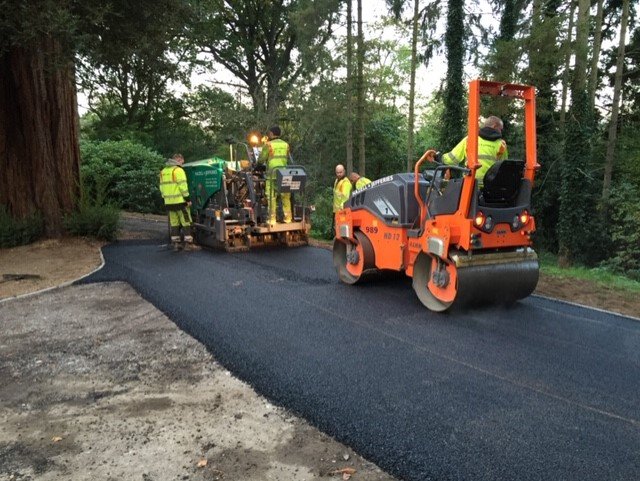
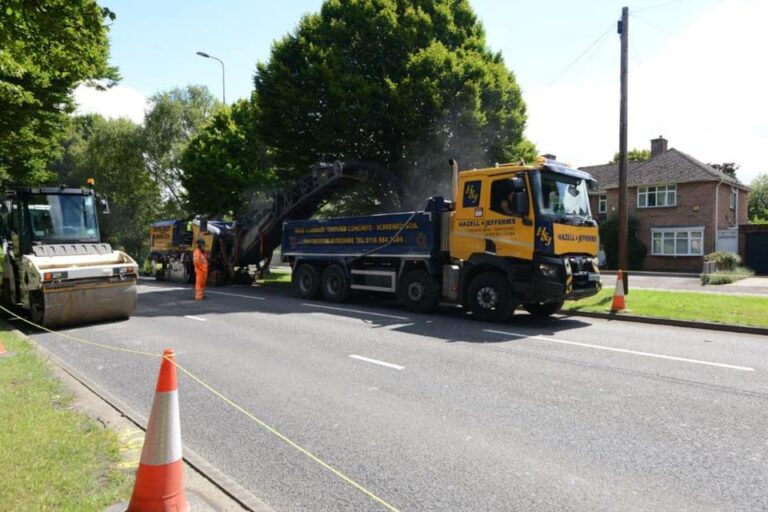
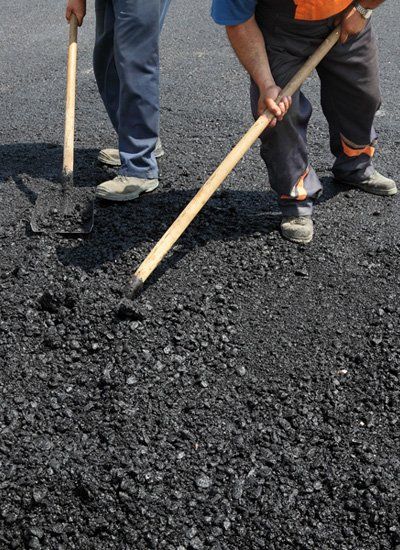
Short for ‘tarmacadam’, tarmac is made by mixing aggregate stones with modified tar, which contains small measures of resin, pitch and Portland cement. The mixture is laid and then compacted down using a vibrating roller to create strong, smooth driveway surfacing.
Tarmac was patented over a century ago in 1902. But the recipe has changed a bit since then. Nowadays, you’re more likely to see ‘bitmac’, which uses bitumen (a by-product of petroleum distillation) instead of tar.
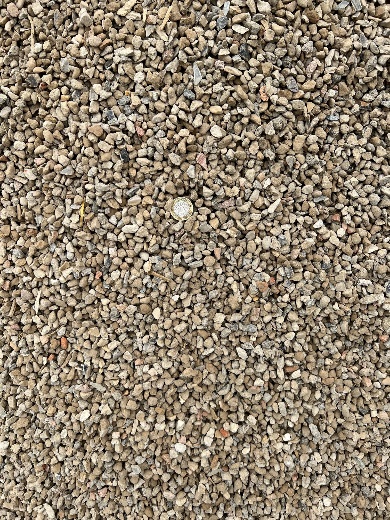
Like modern bitmac, asphalt is a mixture of bitumen and aggregates. The difference is that asphalt uses finer stones and higher proportions of filler and binder to create a smoother surface.
More than 95% of all roads use asphalt paving. And it’s the main material in civil engineering works like car parks and cycleways.
Tarmac driveways don’t need the same level of surfacing finishing or detailing compared to asphalt driveways. And the mixture is usable as soon as it cools with no need for extended curing.
As such, your driveway surfacing contractors can often finish the job in a single sitting without needing to return for additional work. This lets you reopen your driveway much sooner, which is particularly important for commercial properties.
Faster installation also translates into direct cost savings, as you’re not paying for the same amount of time and labour.
On large driveways in particular, this can reduce driveway surfacing costs significantly, helping you stay within your budget.
When vehicles turn, brake or idle on a driveway, they exert a lot of pressure that’s concentrated into small areas. Over time, this contributes to surface failure.
But tarmac is typically laid in very thick layers. So the weight of even very heavy vehicles is spread much deeper.
This reduces the risk of early surface damage, especially in areas with parked vans or that receive delivery lorries on a regular basis.
Tarmac softens when reheated. This makes it easy to work new material into the existing surface when patching cracks and potholes.
Similarly, these repairs bond seamlessly with the surrounding material without leaving a visible join between old and new surfaces. So you can repair your tarmac driveway easily without impacting its aesthetic appeal.
The quick installation, coarser surface and thick layers of tarmac driveway surfacing make it an excellent choice for working use.
Rather than focusing on perfect surface detailing, it’s a much more practical option for speed, cost and heavy vehicles. And since it’s both low maintenance and easy to repair, you don’t need to allocate too much time to driveway care.
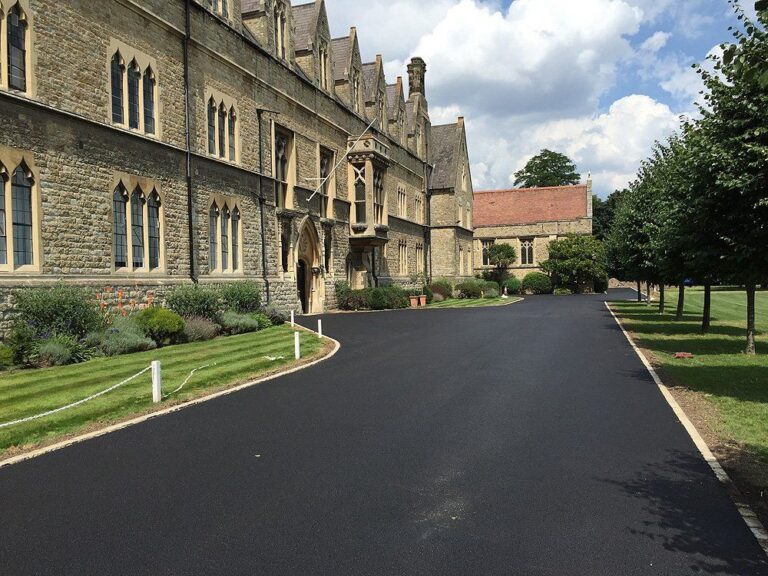
Since asphalt driveways use a finer aggregate mix and are laid to tighter tolerances, you can expect a smoother, more even and more visually appealing surface.
As well as being nicer to look at, it also makes driving and parking feel more comfortable, which is important for everyday use.
The more uniform surface also helps spread traffic loads more evenly across your driveway. This reduces the chance of dips and inconsistencies developing in specific areas.
Over many years of use, you can expect your asphalt driveway to remain strong and beautiful.
Asphalt driveways also use more refined binders that allow it to flex slightly under pressure and temperature changes.
Instead of cracking under significant stress, the surface absorbs small movements in the ground. This helps reduce visible cracking, especially on a base prepared by a trusted professional driveway surfacing company.
Contractors can lay asphalt driveways with more precise gradients compared to tarmac driveways. This makes it easier to direct water away from the surface and towards built-in drainage routes.
With an asphalt driveway you can expect less puddling and standing water on the surface, even on flatter installations. Over time, better drainage control also reduces surface deterioration, helping you maintain a clean, safe driveway even in wet UK weather.
The smooth, consistent finish of an asphalt driveway makes it an excellent option for residential use.
It blends seamlessly with asphalt pavements and finished road surfaces, creating a natural flow towards your home. This makes it feel like a cohesive extension of your property, which helps to curb appeal.
Whether you choose a tarmac vs asphalt driveway largely depends on your priority.
Do you want a practical, budget friendly option? Or are you more concerned about long-term performance and appeal?
If you choose a tarmac driveway, it’ll be much cheaper to surface a large area. It’s also much quicker to lay, especially since tarmac can accommodate flaws in the base layer. And the surface can withstand consistently heavy use, even under the weight of lorries and other large vehicles.
This makes tarmac driveways much more suitable for commercial or industrial properties.
On the other hand, investing a little more time and money means you can enhance your property with a smooth, uniform asphalt driveway. This attention to detail also ensures a surface that resists wear and cracking even under regular stress. So you can have confidence in a long-lasting driveway that continues to look spectacular year after year.
As such, asphalt driveways are an excellent pick for home and small business driveways.
Regardless of which driveway surfacing material you pick, the quality and lifespan of your new driveway will depend on your driveway contractor.
That’s why homeowners and businesses rely on Hazell & Jefferies Ltd for high-quality tarmac and asphalt driveway surfacing in Oxford, Berkshire, Reading and across the UK.
At Hazell & Jefferies Ltd, we have more than 50 years’ experience installing durable, long-lasting road surfaces for councils, businesses and homeowners. That includes first-rate driveway surfacing with a wide range of materials to choose from, including asphalt and tarmac.
Contact us today to get a free no-obligation quote from our experienced driveway contractors.